Safety Center · Leak Diagnosis & Repair
Why chimneys leak and how to fix them
A chimney leak is rarely a simple problem. Water can enter through multiple points, and failing to identify the correct source often results in repairs that address symptoms rather than causes. Here's where leaks originate, how to recognize water damage before it becomes severe, and what a qualified repair looks like from diagnosis to lasting solution.
Where chimney leaks come from
Chimspector evaluates each of the following areas when a leak is suspected. The source is not always obvious, and a proper diagnosis requires a thorough on-site evaluation of every potential entry point.
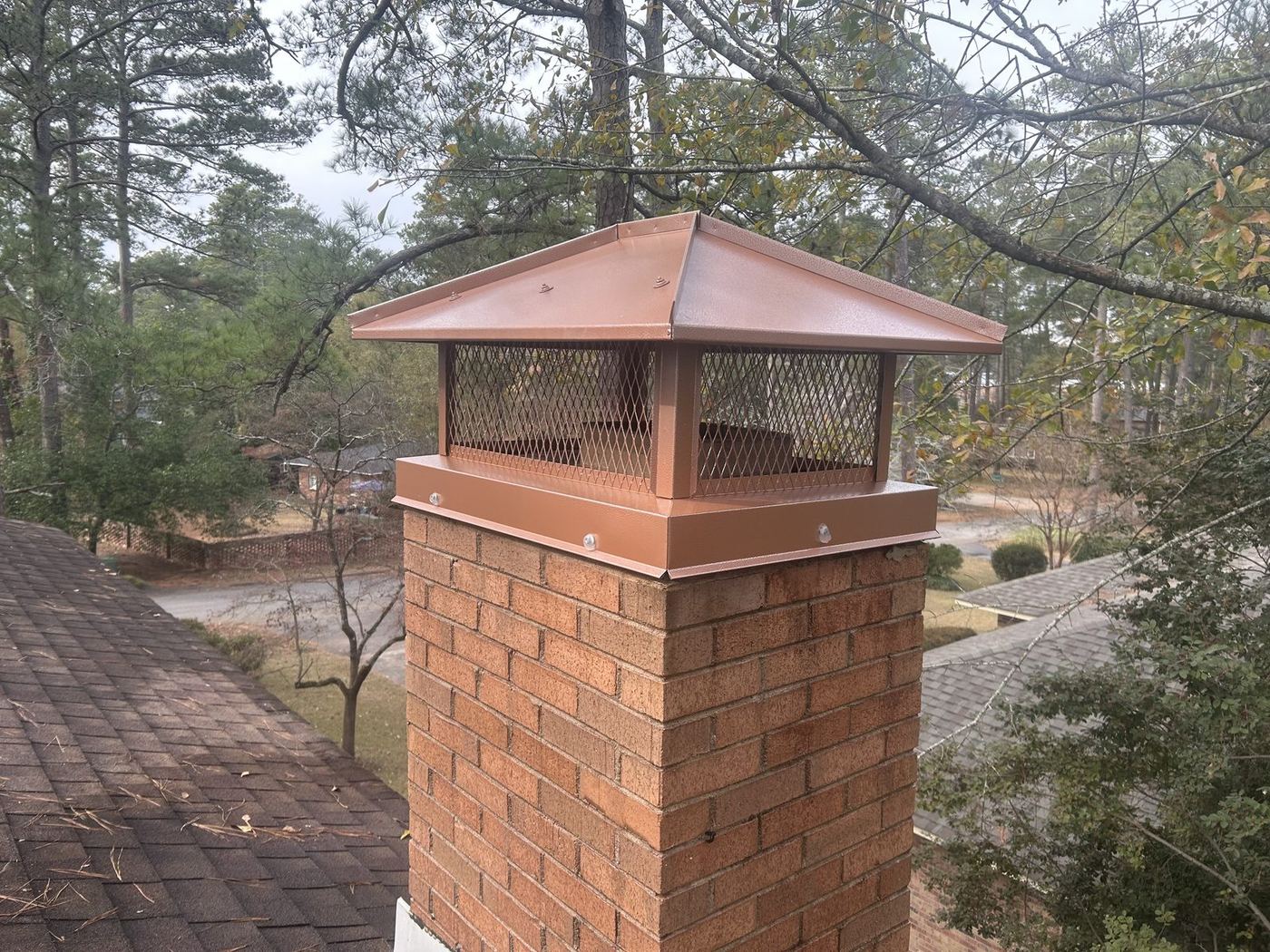
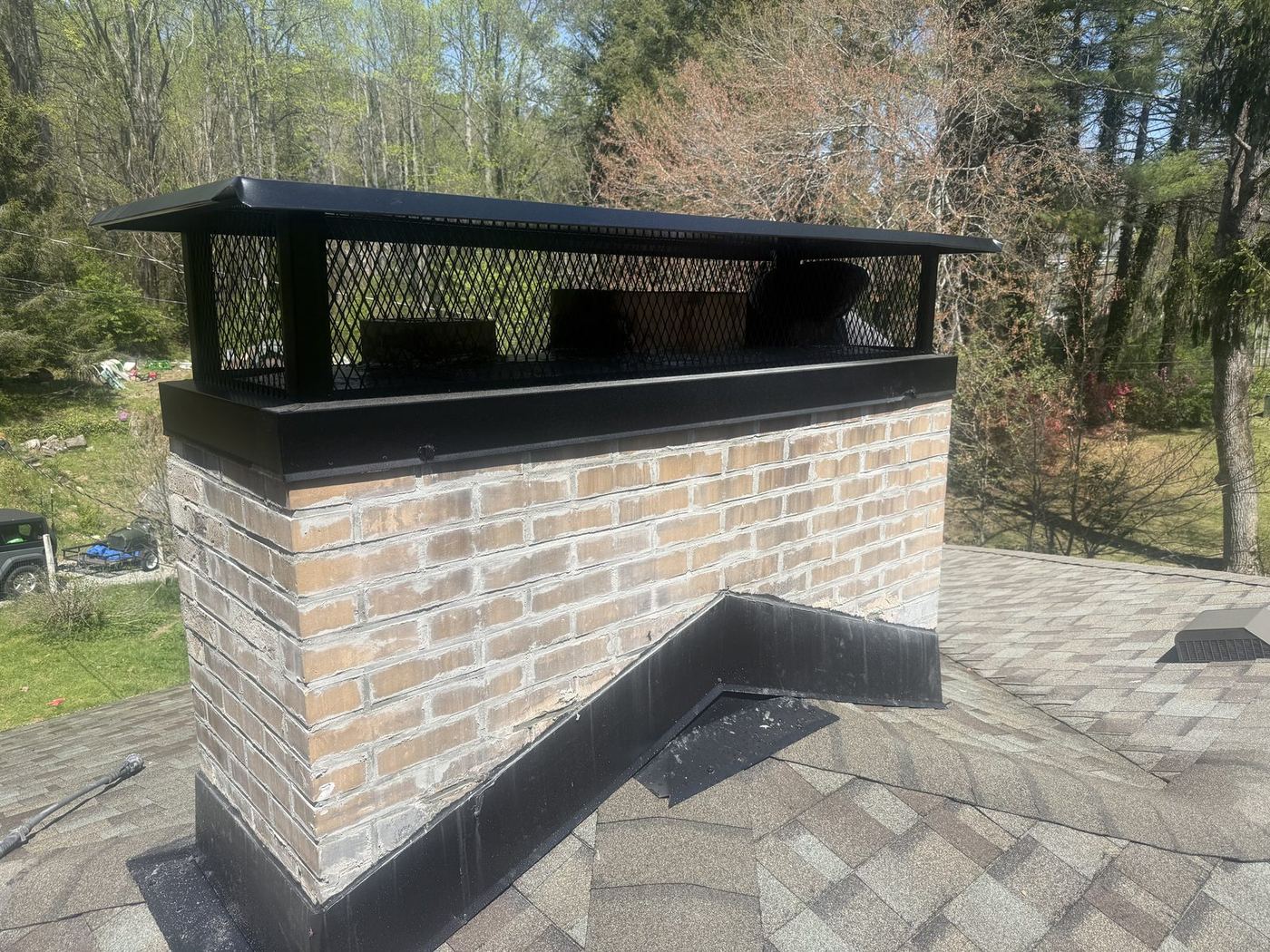
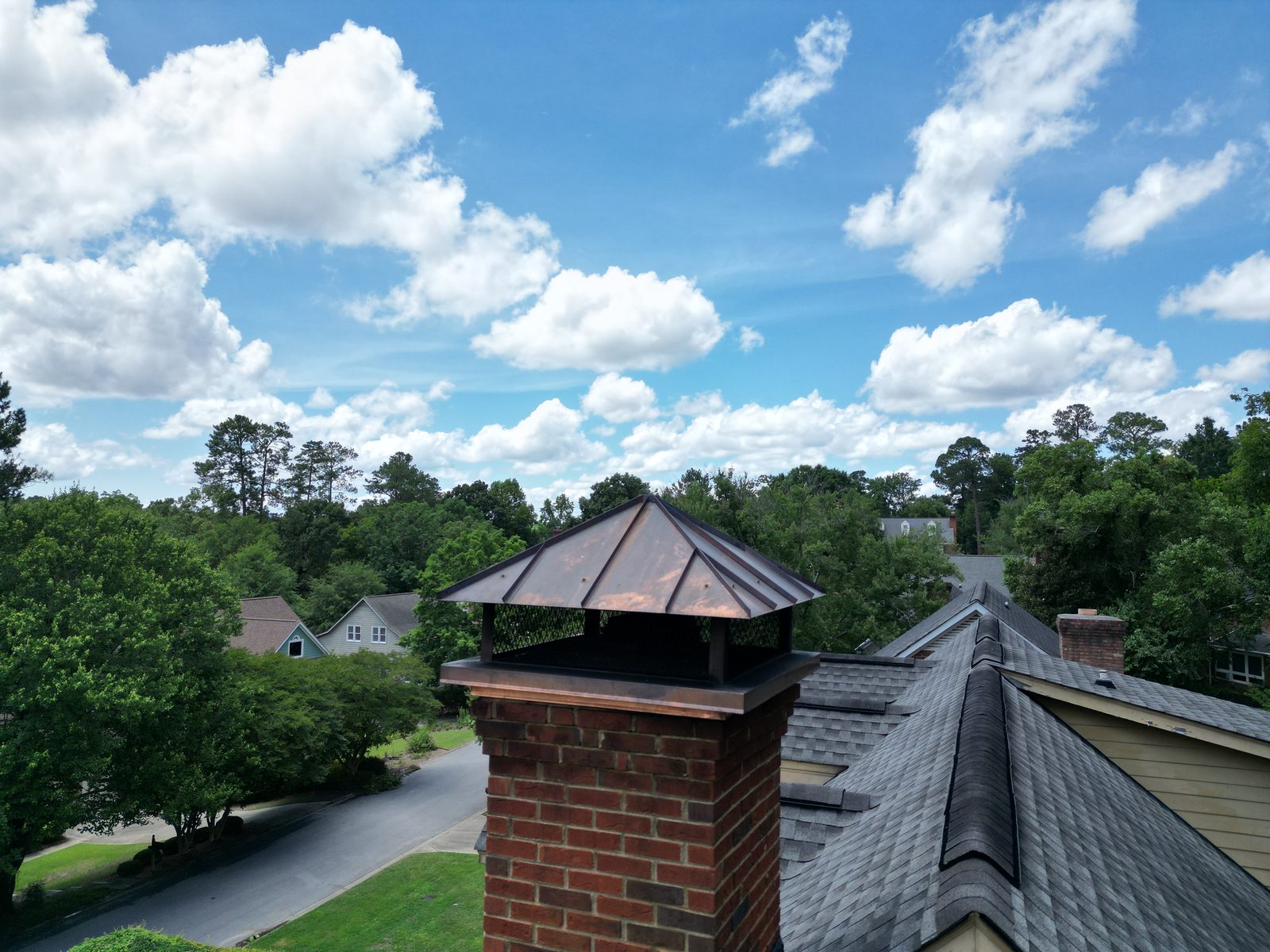
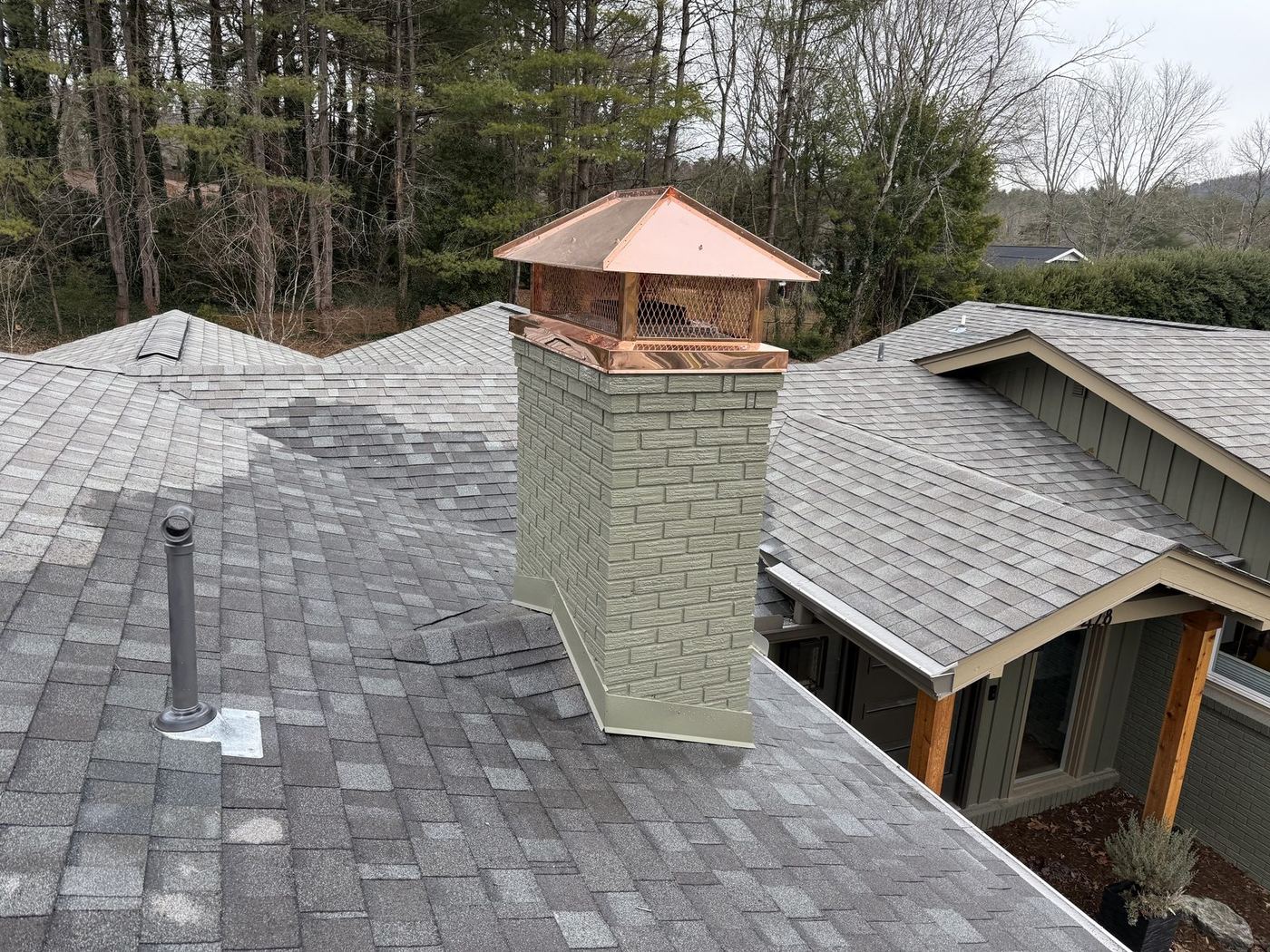
The chimney cap
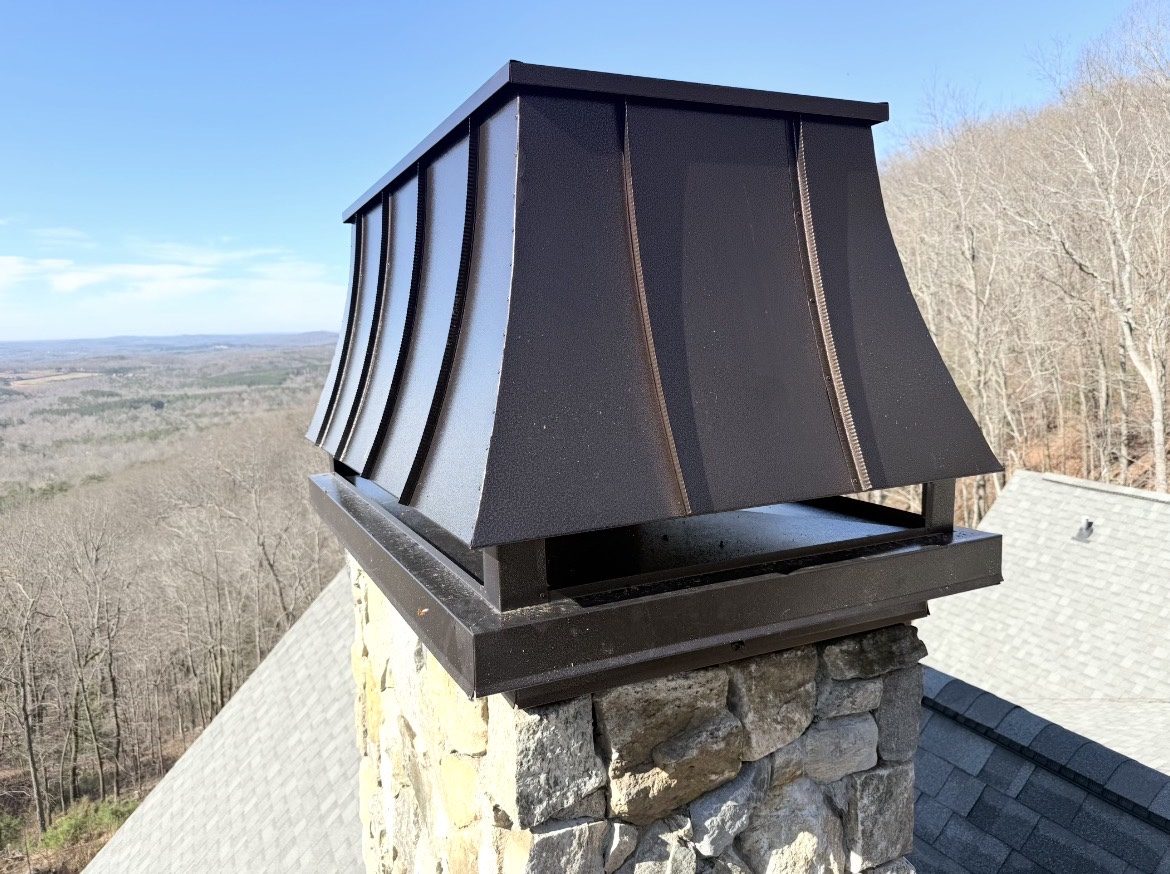
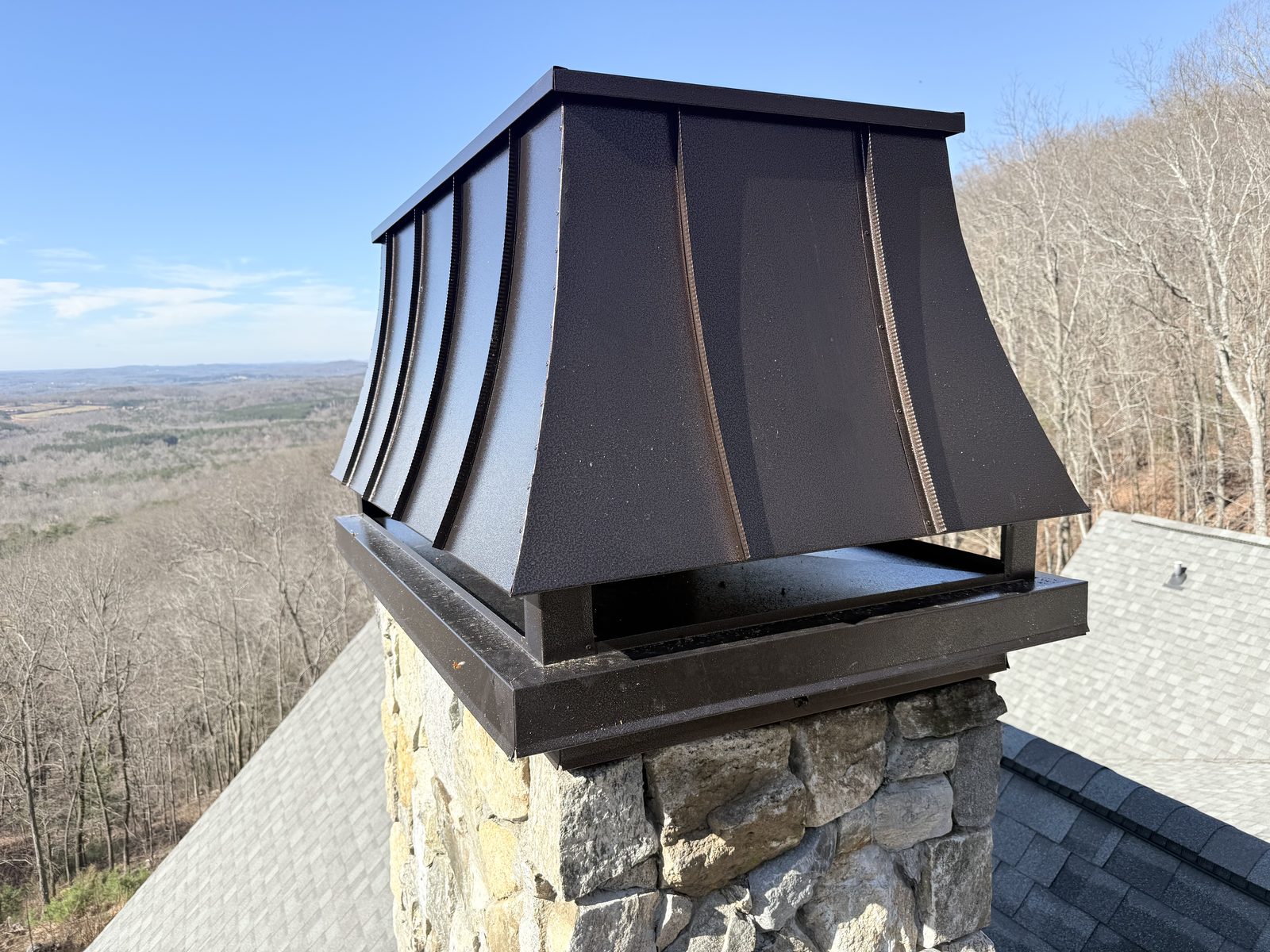
The cap sits at the top of the flue and is the first line of defense against moisture, animals, and debris. When it's missing, loose, or corroded, rain enters the flue directly. A damaged or absent cap is one of the most common — and most preventable — sources of leaks.
The chase cover
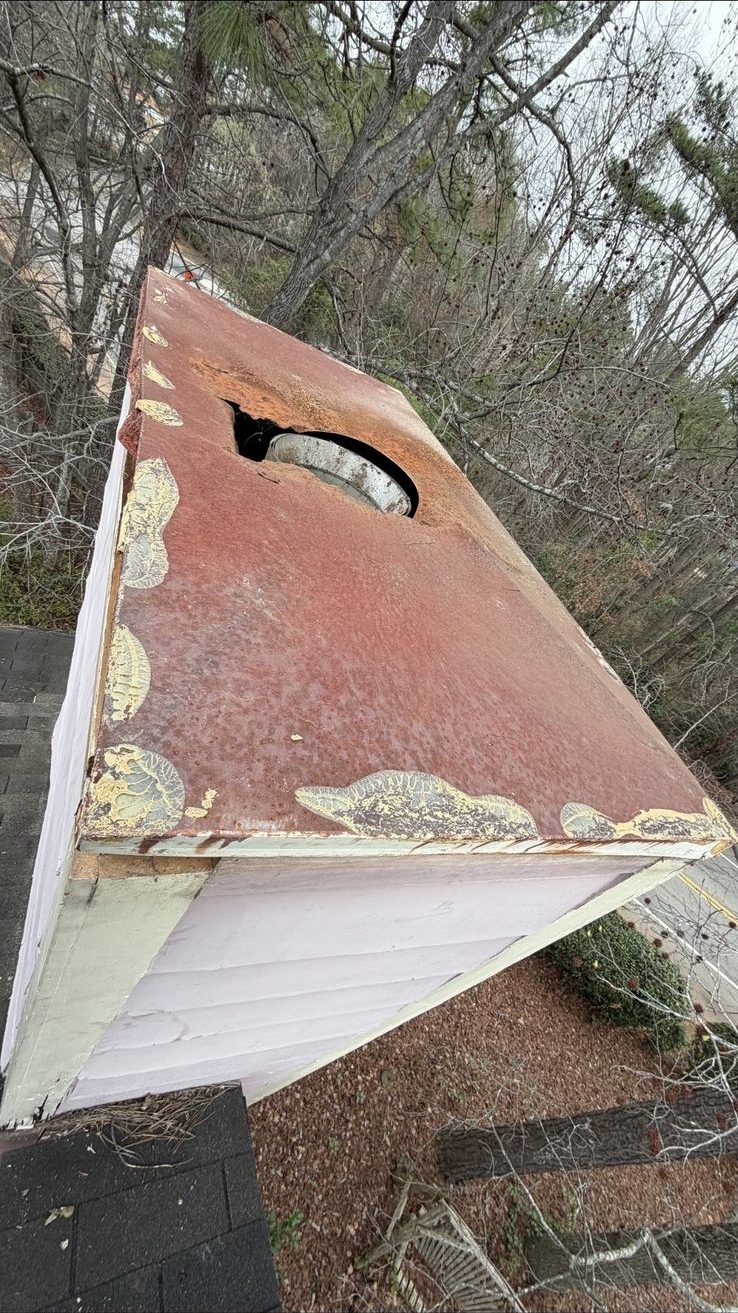
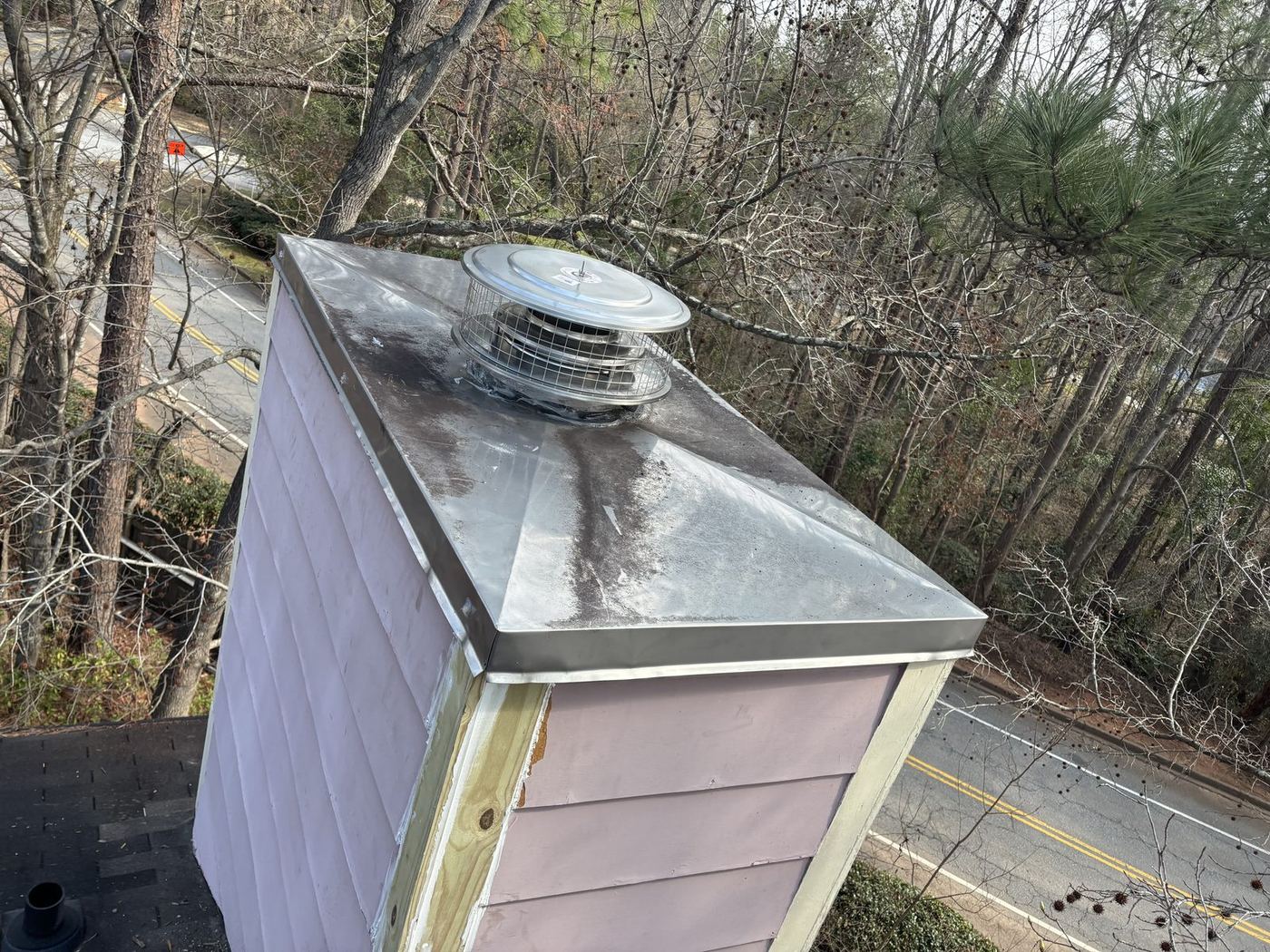
For prefabricated chimneys, the chase cover serves the same protective function as the crown on a masonry chimney. Many original covers are thinner galvanized metal that rusts or fails over time. Chimspector replaces failing covers with higher-grade stainless steel formed to direct water away rather than collect on a flat surface.
Chimney flashing leaks
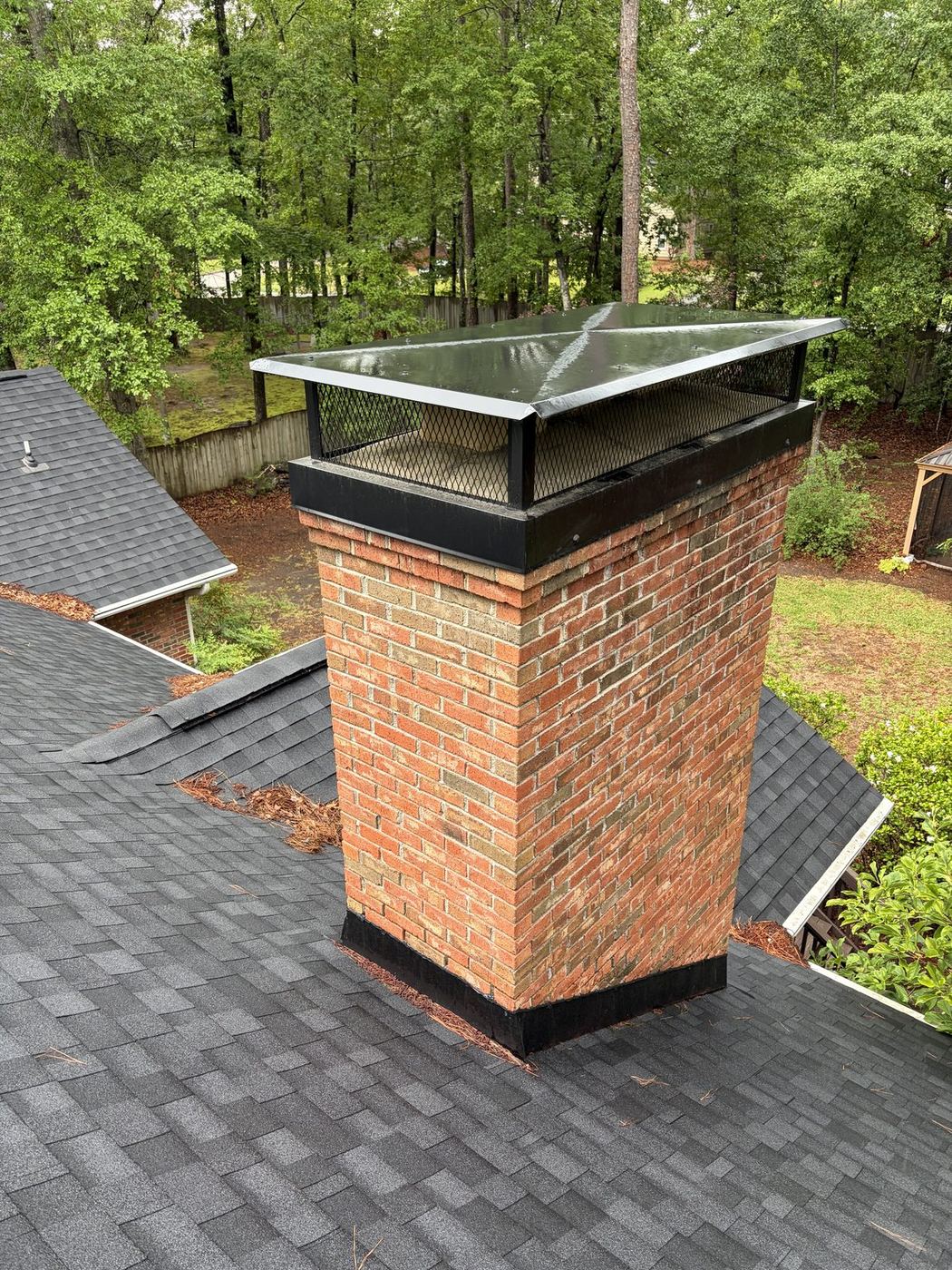
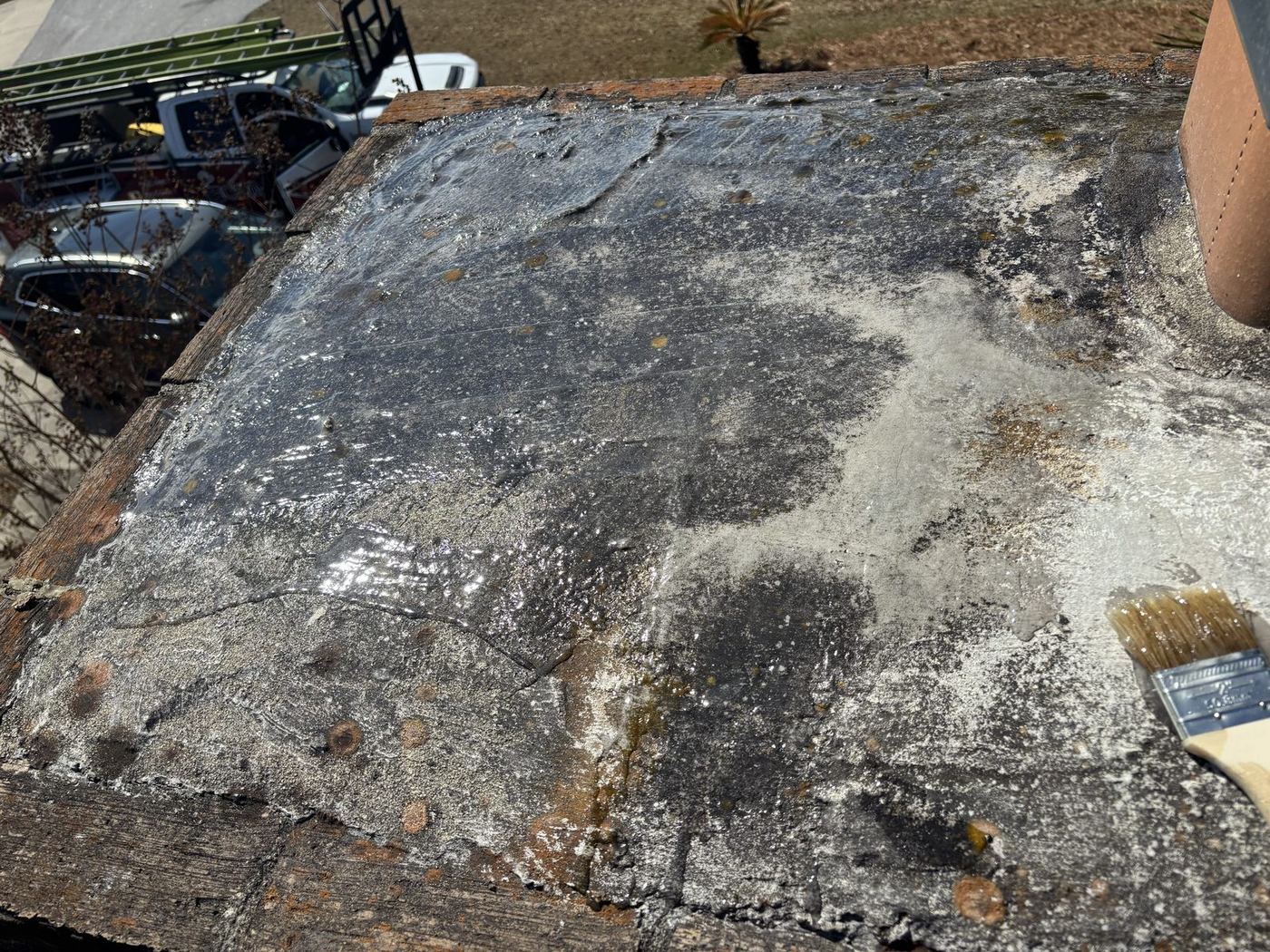
Flashing is the metal sheeting installed where the chimney meets the roofline, sealing that junction against water. Failure typically results from poor installation, insufficient layering, too many nail penetrations, or weather damage. Whenever a leak is discovered, flashing is one of the first areas Chimspector evaluates.
Roof leaking around the chimney
A stain on the ceiling next to the chimney, rather than inside the firebox, usually points to the roof-to-chimney junction: flashing that has lifted, a cricket (the small ridge behind the chimney) that is missing on a wide stack, or shingles that have pulled away from the counter-flashing. Roofers and chimney companies each tend to blame the other side of that line; Chimspector evaluates both from the roof before proposing a repair.
Cracked chimney crown
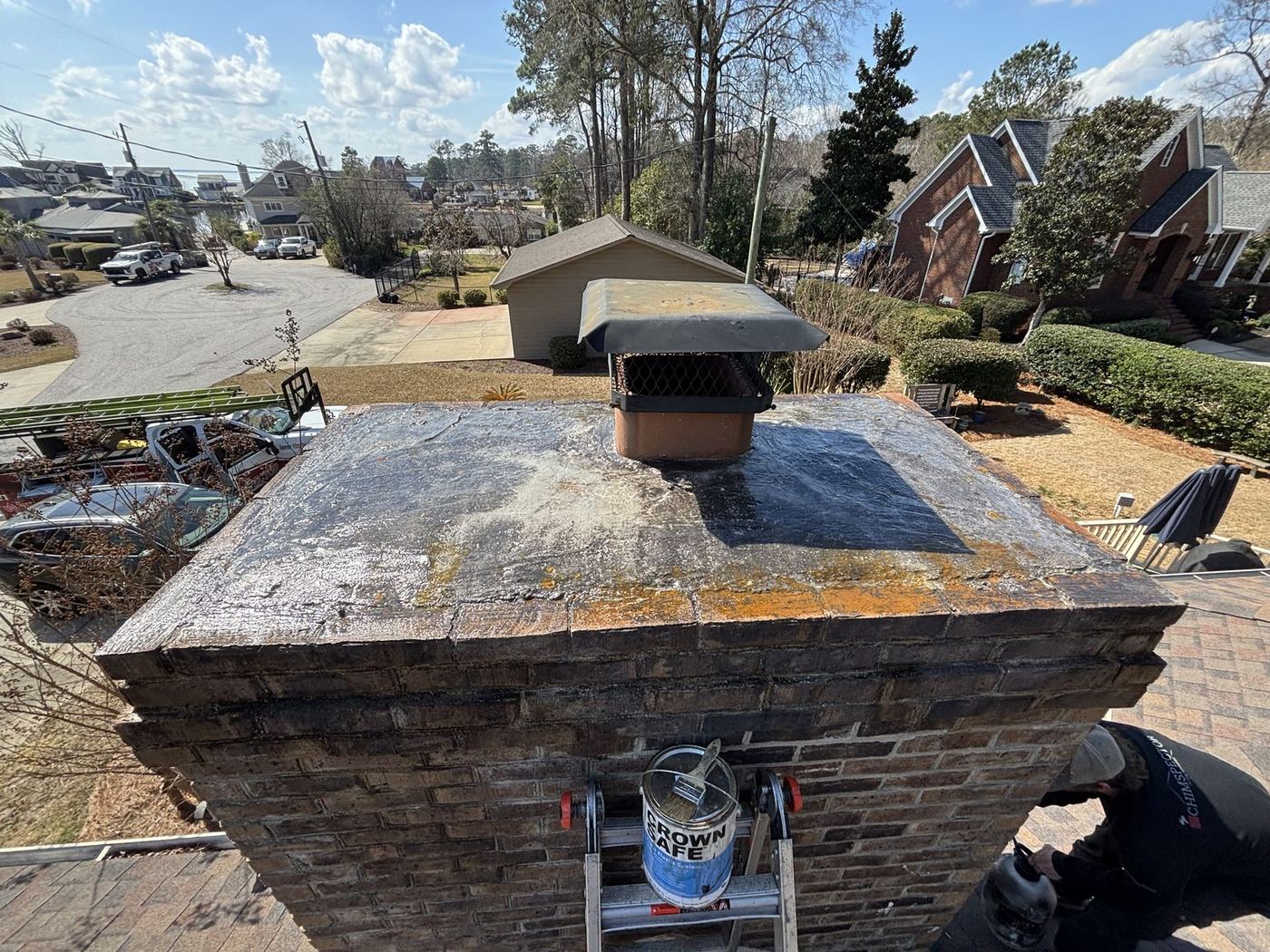
The crown seals the top of a masonry chimney around the flue. Crowns that are improperly shaped, cracked, or missing are a common source of moisture entry — and even correctly built crowns develop cracks over time from freeze-thaw cycles.
Brick chimney water damage
As naturally porous materials, brick and mortar absorb rain and moisture, and absorption increases as masonry ages. Left untreated, the moisture leads to deterioration from within, particularly through freeze-thaw expansion. Masonry repair and waterproofing are the appropriate responses when the brick and mortar are the source.
Signs of water damage to watch for
Homeowners can often identify early signs of water damage before calling a professional. These indicators warrant a prompt evaluation:
- Water stains on the ceiling or walls near the chimney
- Efflorescence — white mineral deposits on the exterior masonry
- Crumbling or receding mortar joints
- Rust stains in the firebox or on the damper
- A musty or mildew smell in the firebox or near the fireplace
- Visible moisture or pooling inside the firebox after rain
If any of these are present, scheduling a chimney inspection is the appropriate next step. Water damage can progress quickly and affects multiple components of the system.
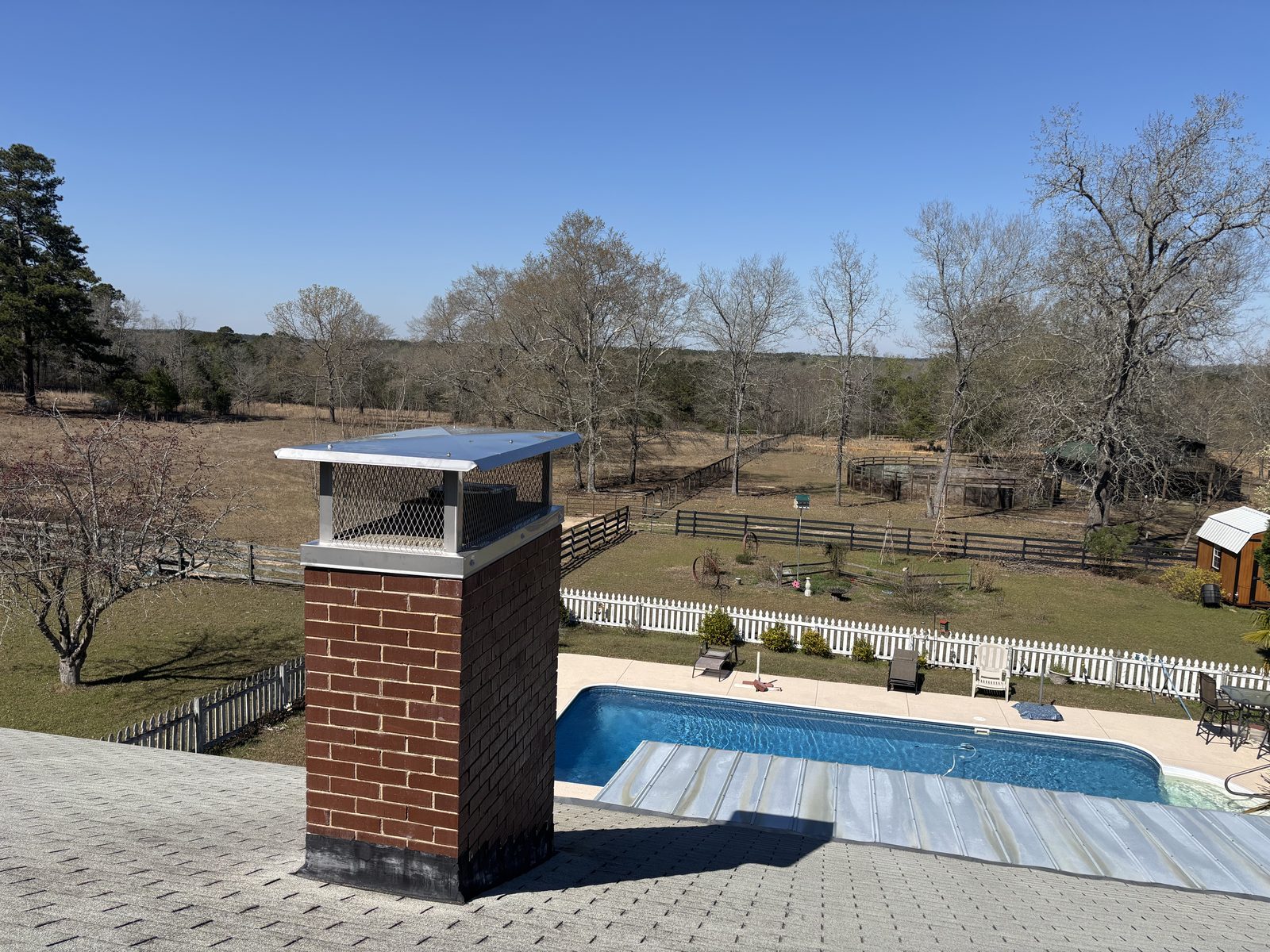
How Chimspector diagnoses a leak
Properly identifying a leak requires an on-site evaluation of each potential entry point — not an estimate from the ground. Technicians assess the cap, chase cover, flashing, crown, and masonry in sequence to determine where water is entering and why: they climb onto the roof, access the attic if needed, and evaluate the interior of the firebox before providing a written assessment and cost estimate. If concealed conditions are discovered during the work, Chimspector documents the findings and discusses any necessary scope changes with the homeowner before proceeding.
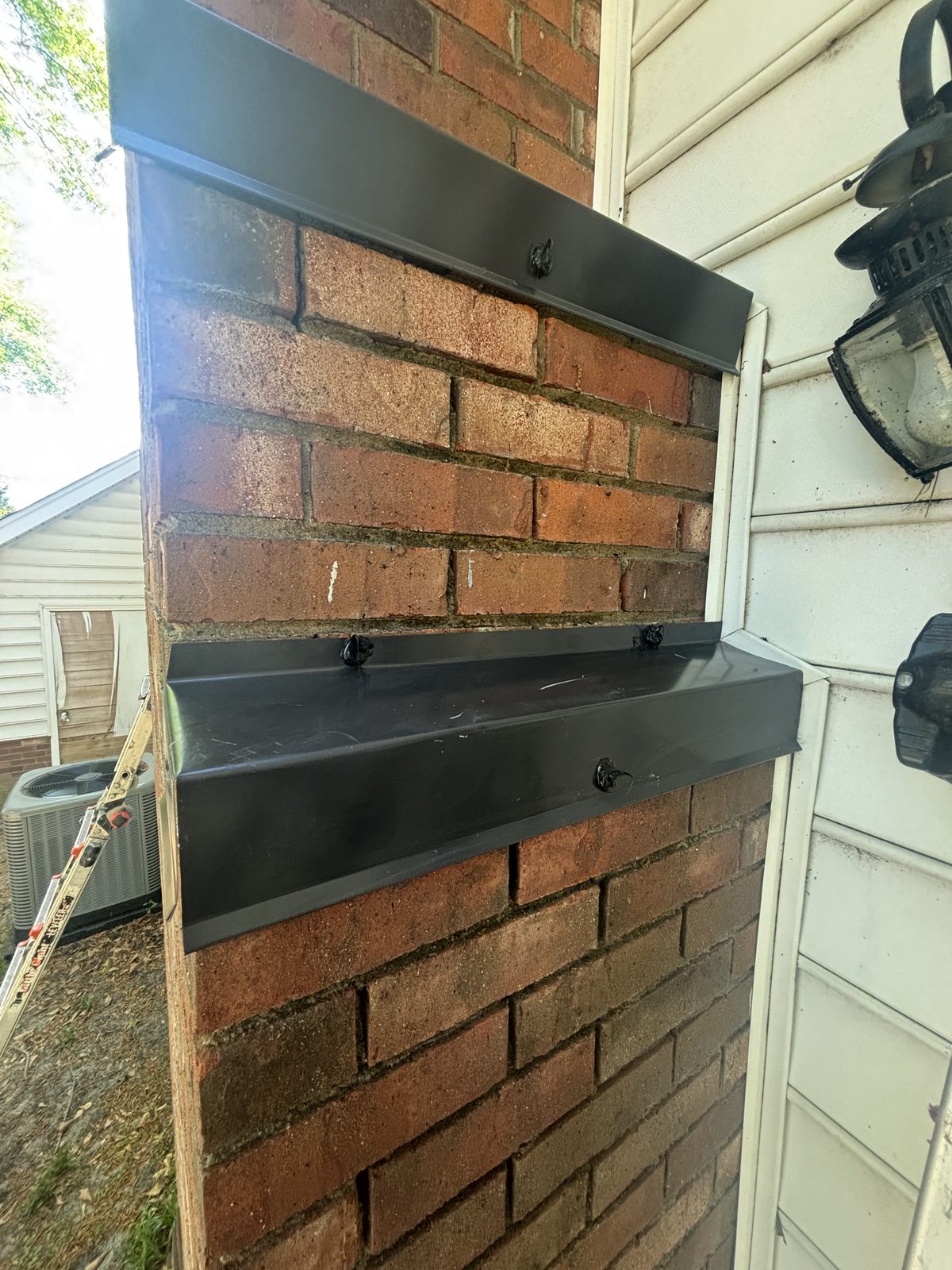 New counter-flashing
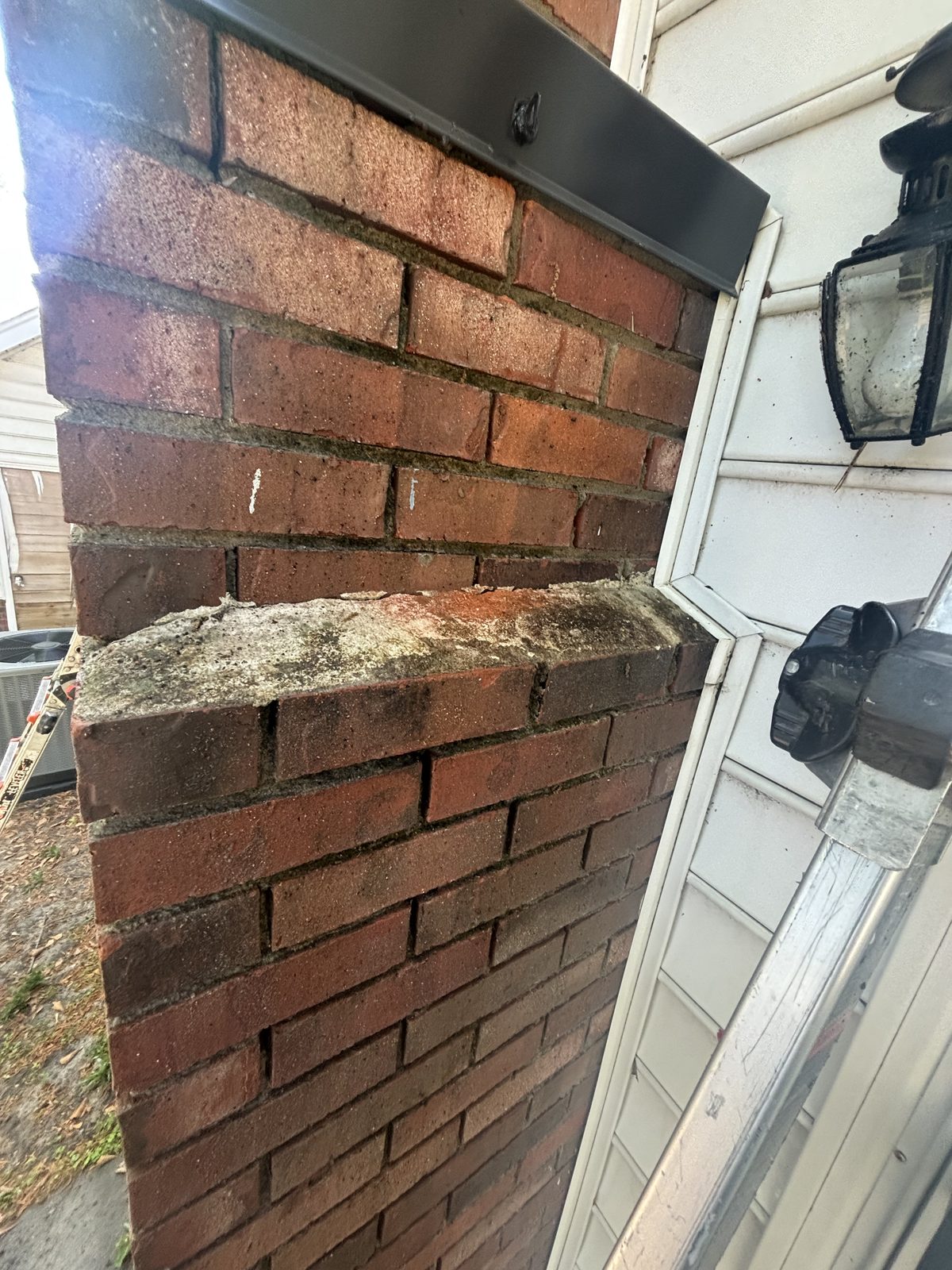 Failed flashing
Repair approaches by problem type
Cap and chase cover replacement
When the cap is the source, replacement is typically straightforward. For prefabricated chimneys with failing chase covers, Chimspector installs stainless steel replacements formed to direct water away rather than let it pool and rust through.
Flashing repair and FlashSeal treatment
Flashing repair corrects improper installation or replaces weather-damaged metal. Chimspector also offers FlashSeal, a water-repellent product formulated to protect flashing from long-term moisture damage. The goal in every case is a repair built to last, not one revisited in a season or two.
Crown repair
For small cracks, crown sealing and waterproofing may be sufficient. For crowns that are structurally compromised, a rebuild is typically the more reliable long-term solution.
Masonry repair and waterproofing
For deteriorating brick and mortar, tuckpointing and masonry repair address the structural damage. Chimspector then applies ChimneySaver Water Repellent, a vapor-permeable product that significantly reduces water absorption while allowing water vapor from fires to escape.
Vapor-permeability is critical — standard sealants trap moisture inside the masonry and cause further deterioration from within.
Chimney relining
When water damage has compromised the flue liner, a relining may be necessary to restore the system to a safe, functional condition. This is common after chimney fires or in older systems where the liner has deteriorated over time. Where damage is too extensive for standard repairs, chimney restoration is available.
When you’re ready, Chimspector’s chimney leak repair team serves South Carolina and Western North Carolina.