Safety Center · Chimney Inspections
A complete guide to chimney inspections
Whether you burn wood every weekend or light a gas insert a few times a year, the venting system behind your fireplace needs regular professional attention. Here's what an inspection involves, how often to schedule one, and what your next steps should be.
Why chimney inspections matter
Fireplaces bring a lot of value to a home, but they require consistent maintenance to operate safely and efficiently. An annual chimney inspection is designed to alert homeowners to any repairs that need to be made, any cleanings that should be scheduled, and any problems that exist within the chimney or venting system.
The first category of risk is creosote. Wood-burning systems produce creosote as a natural byproduct of combustion, and in every form it is flammable. When it accumulates without being cleared, the risk of a chimney fire increases significantly. Some chimney fires occur inside the flue and go unrecognized until damage has already occurred — the cracks and gaps left behind create open pathways for smoke, dangerous gases, and flames to travel into the living space. Learn more about creosote removal.
The second category is structural integrity. Over time, chimneys are exposed to weather, moisture, and temperature fluctuations that cause cracks and deterioration in the liner, crown, flashing, and masonry. These issues are not always visible from the ground and often go undetected without a professional evaluation. Chimspector handles the full range of chimney repairs identified during an inspection.
How often should you have your chimney inspected?
The National Fire Protection Association (NFPA) and the Chimney Safety Institute of America (CSIA) both recommend a professional chimney inspection at least once per year — even if the fireplace is used infrequently. Annual inspections ensure the system is functioning safely before each burning season begins.
Beyond the annual schedule, certain circumstances call for an inspection regardless of when the last one occurred:
- Severe weather: high winds, heavy rain, hail, and major storms can cause damage that isn’t immediately visible.
- A chimney or house fire: the system should be inspected and any repairs completed before the fireplace is used again.
- Buying or selling a home: NFPA 211 recommends a Level 2 inspection upon the sale or transfer of property — the appropriate industry standard for giving buyers and sellers an accurate picture of the system’s condition.
- Changing fuel types: switching from wood to gas requires a Level 2 inspection, and may require chimney relining depending on appliance type, flue sizing, vent configuration, and manufacturer requirements.
- Reconstruction or relining work: a follow-up inspection confirms everything is functioning as it should.
What are the different levels of chimney inspection?
The NFPA defines three levels of chimney inspection. The level that applies depends on the condition of the system and the circumstances that prompted the inspection.
Level 1 inspections
A Level 1 inspection is the most basic form of professional evaluation. It covers a visual review of all readily accessible portions of the chimney — the firebox, damper, and exterior components — checking for obstructions, confirming the structure is sound, and looking for visible damage.
Level 2 inspections
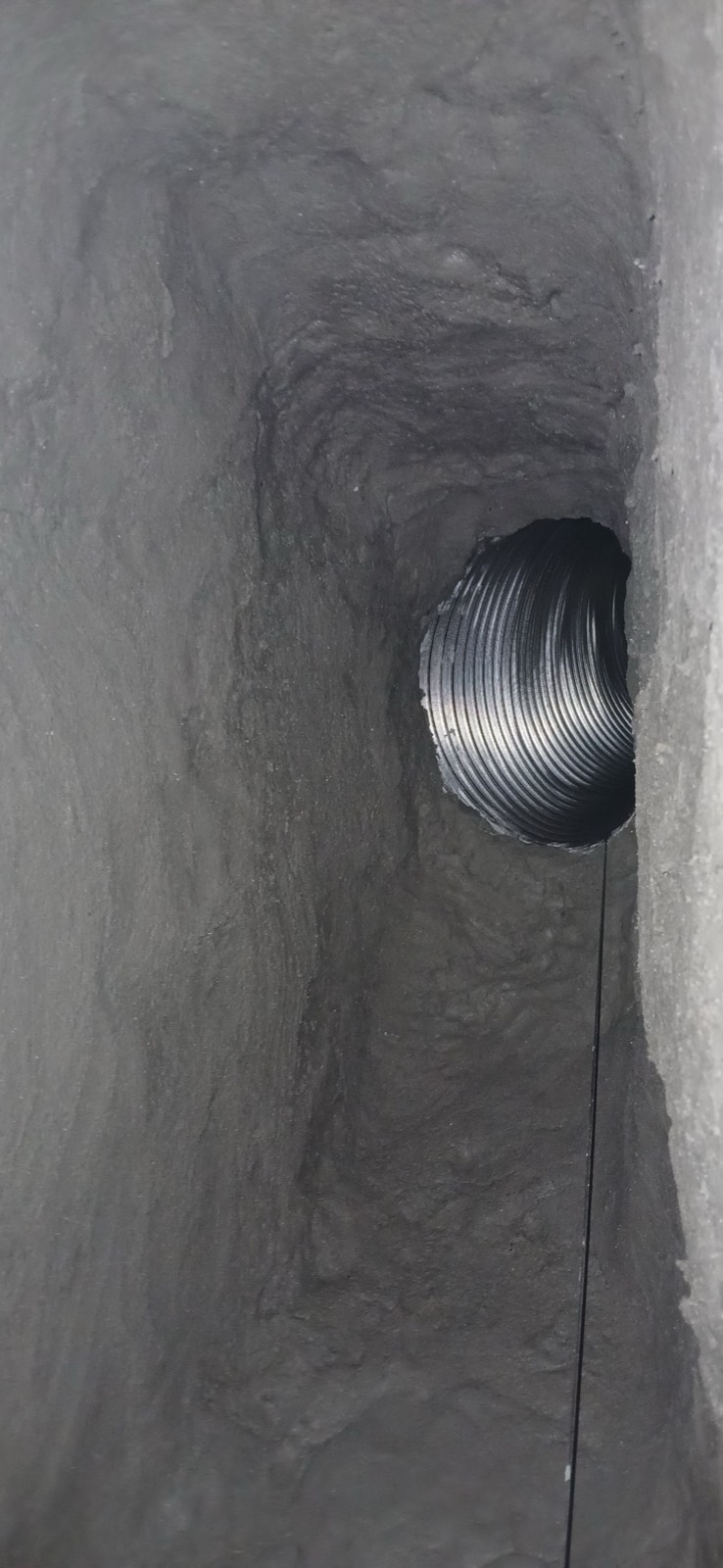
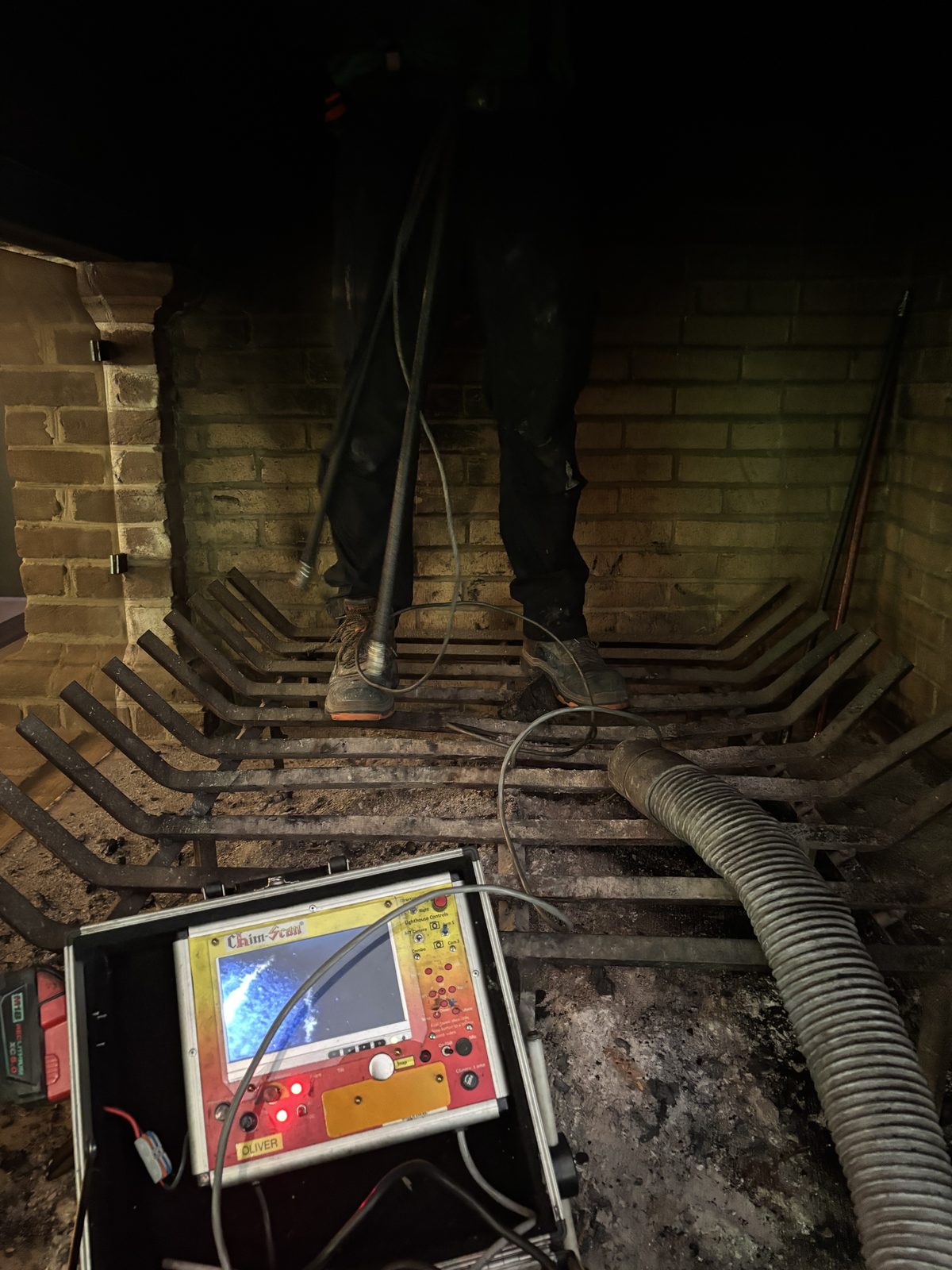
A Level 2 inspection includes everything in a Level 1, plus a thorough video scan of the flue so every accessible interior area can be evaluated. The camera reveals damage or buildup that would not be visible to the naked eye, and no demolition is required. At Chimspector, a Level 2 inspection is the standard offering, not an upgrade — giving homeowners a more complete picture and greater confidence going into the burning season.
NFPA 211 recommends a Level 2 inspection upon the sale or transfer of property.
Level 3 inspections
A Level 3 inspection is the most involved and is typically reserved for situations where serious damage is suspected. It may require removing certain components to access concealed areas of the system, and is only recommended when a Level 1 or Level 2 has identified a potential issue that cannot be fully assessed by other means.
What happens during a chimney inspection?
Understanding the general sequence can help you know what to expect and how to prepare.
- Scheduling. The process begins with a phone call or online request. At booking, you’ll be asked about the type of fireplace system you have and whether you’ve noticed any specific issues.
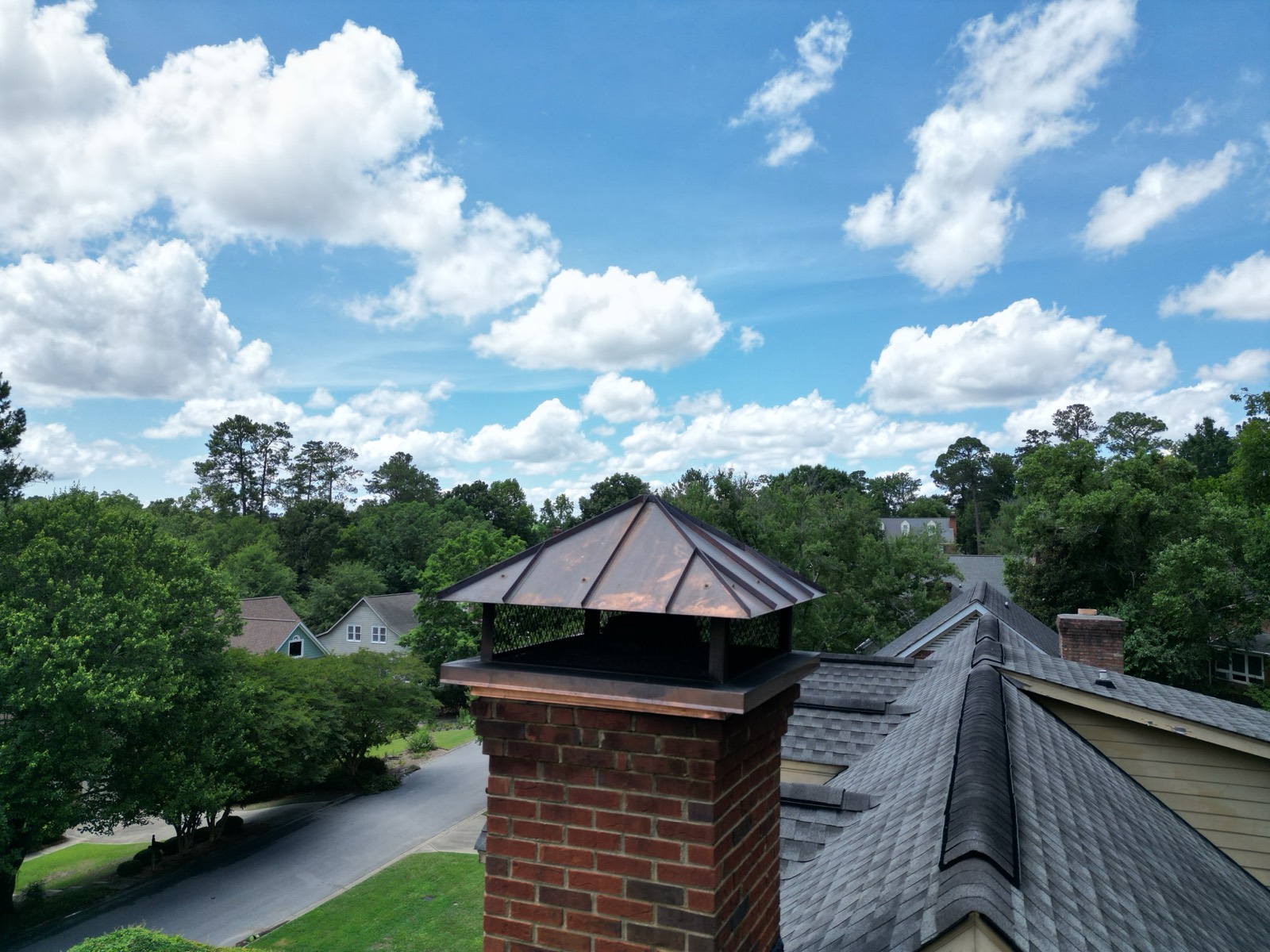
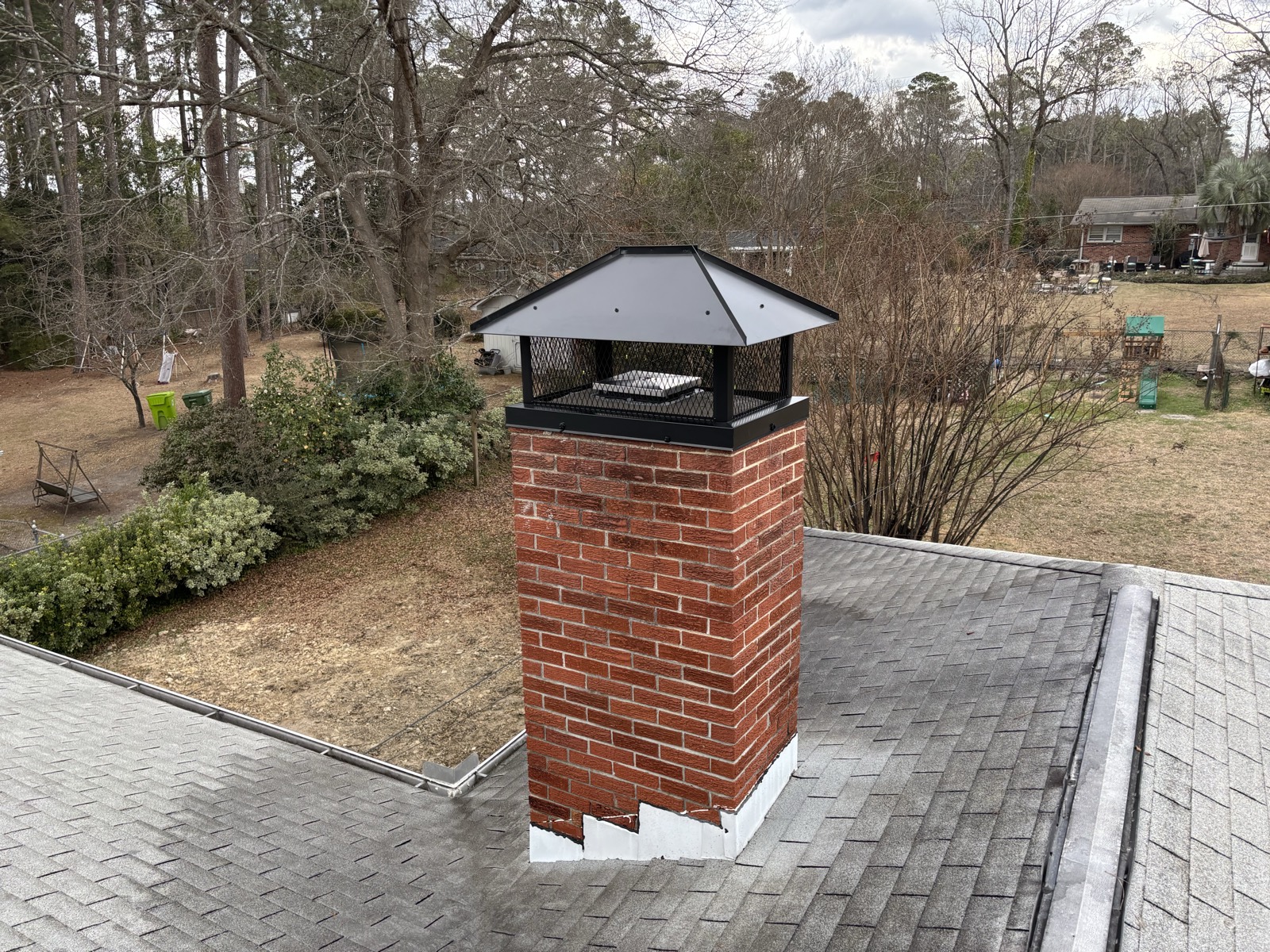
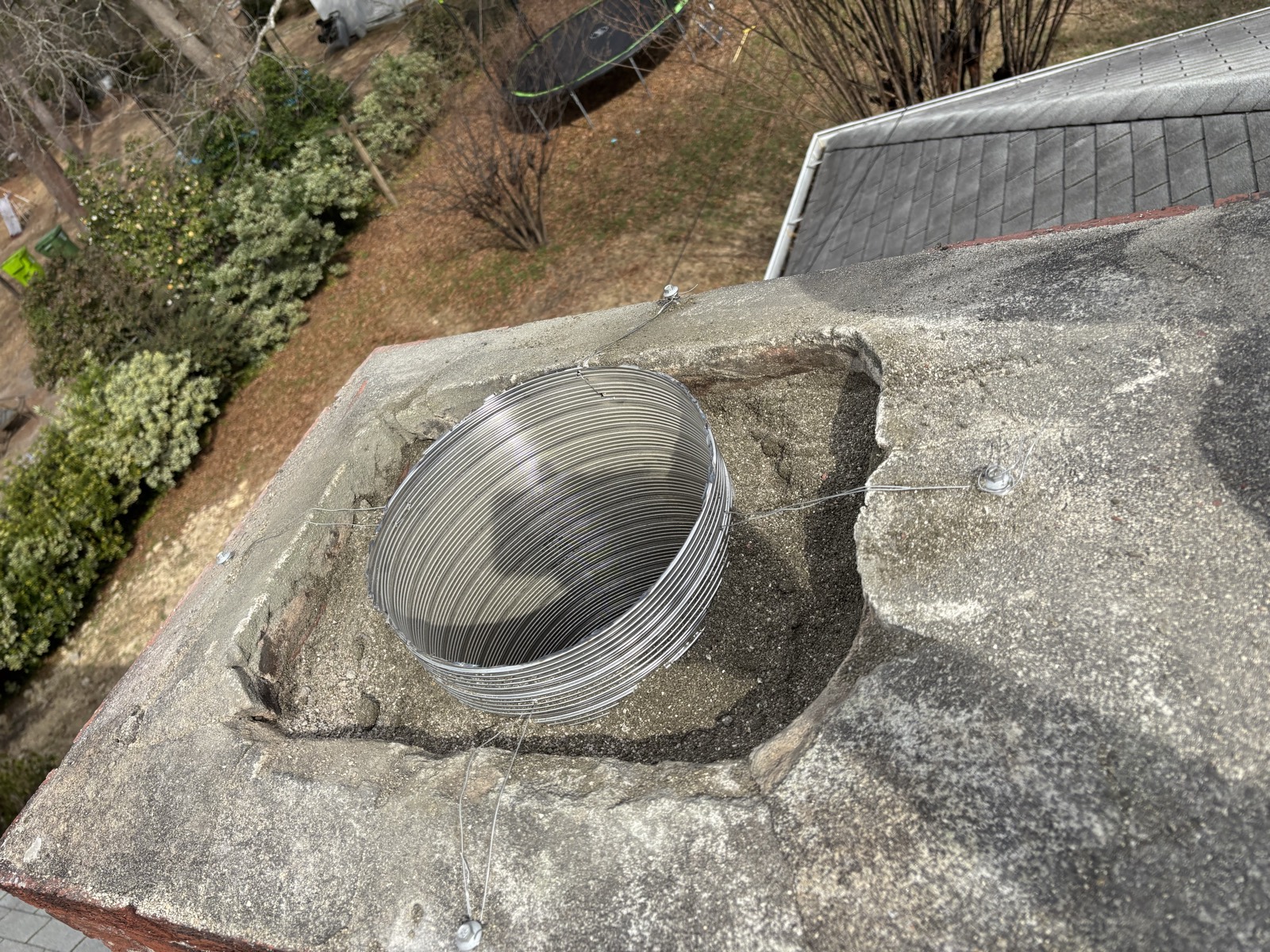
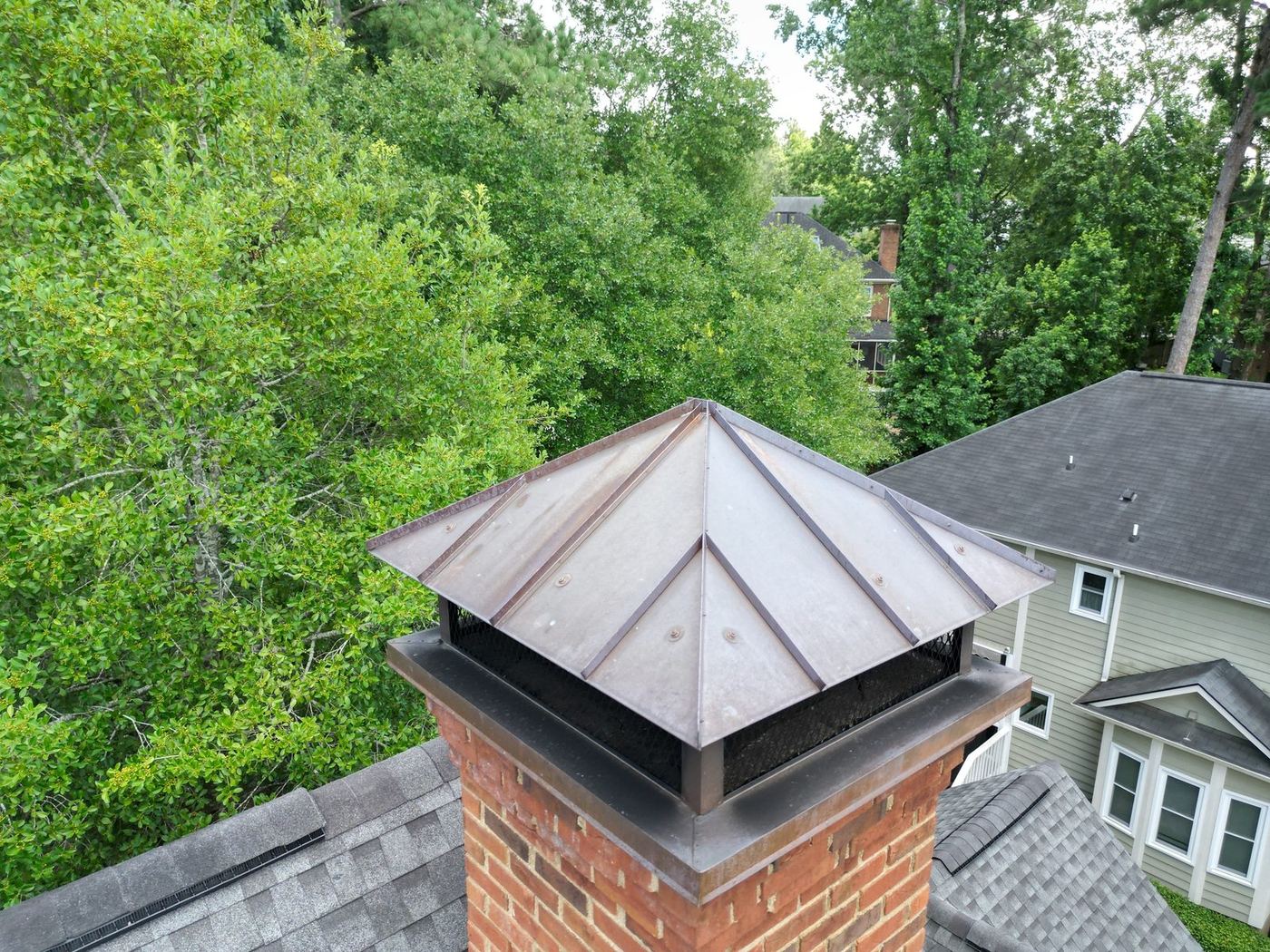
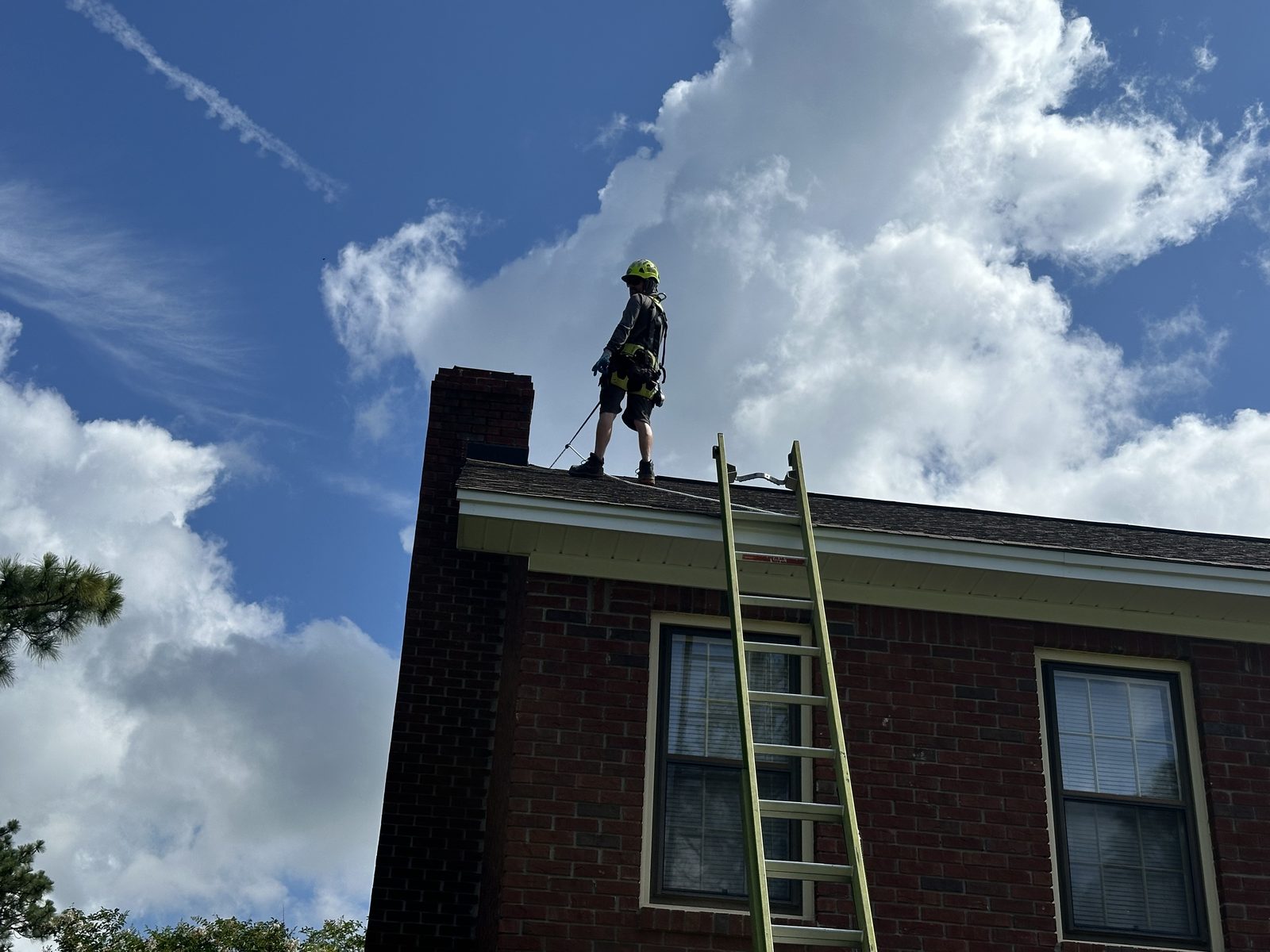
- Exterior evaluation. The technician assesses the chimney from the outside — crown, cap, flashing, and masonry — for signs of damage, deterioration, or moisture intrusion.
- Interior visual inspection. Next, the firebox, damper, and smoke chamber are evaluated for cracks, corrosion, buildup, and obstructions that could restrict airflow.
- Accessible area inspection. The technician enters any accessible space, such as the attic or crawlspace.
- Video scan of the flue liner. For Level 2 inspections, a camera captures a detailed view of the liner, identifying cracks, gaps, and buildup that wouldn’t be detectable otherwise.
- Assessment and recommendations. The technician walks you through the findings and provides clear recommendations for any cleaning, repairs, or follow-up.
What happens after the inspection?
If the chimney is in good condition, the technician will likely recommend a routine cleaning and sweeping to clear creosote or debris before the burning season. If the inspection identifies issues such as cracks in the flue liner, deteriorating masonry, or a damaged cap, the technician explains what was found and what repairs are recommended. Chimspector handles the full range of repairs — from relining and smoke chamber work to masonry repair and damper replacement — so you don’t need to coordinate multiple contractors.
Where damage is more extensive, the technician may recommend chimney restoration. If concealed conditions are discovered during the course of work, Chimspector documents the findings and discusses any necessary scope changes with the homeowner before proceeding.
How much does a chimney inspection cost?
The price of a chimney inspection depends on a few things rather than a single flat number, so the office quotes it when you book. The factors that move it:
- The inspection level. A Level 2 includes the video scan of the flue, which a Level 1 does not; at Chimspector the Level 2 is the standard visit.
- How many fireplaces or flues the home has — each one is scanned and evaluated separately.
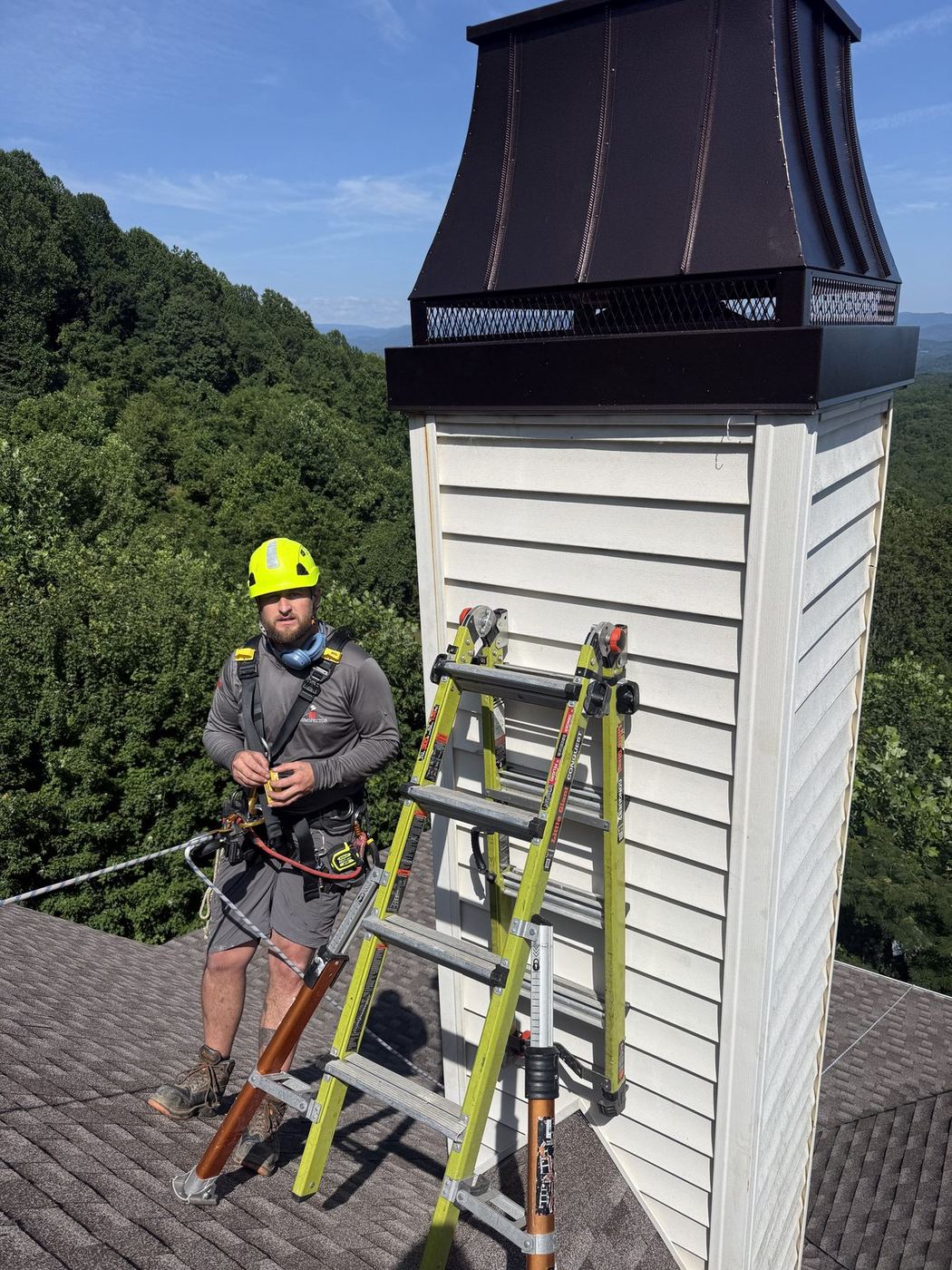
- Access. Steep or tall roofs, rope-access work, and chimneys that need a lift take more time and equipment.
- What’s added to the visit. A sweep, a dryer vent cleaning, or a gas appliance service on the same trip changes the total but saves a second visit.
- Distance from the nearest office for homes outside the Midlands and Western North Carolina cores.
You will always have the number before the technician starts.
Chimney inspections when buying or selling a home
A general home inspection looks at the chimney from the ground and the hearth; it does not scan the flue. That is why NFPA 211 recommends a Level 2 inspection upon the sale or transfer of property: it is the only level that evaluates the liner, where fire damage, gaps, and deterioration hide. For buyers it is leverage and peace of mind before closing; for sellers it is the report that heads off a last-minute negotiation. Chimspector works with Realtors and closing timelines across the Carolinas, and the written findings travel with the house.
Why choose a certified chimney inspector?
Chimspector holds certifications from both the Chimney Safety Institute of America (CSIA) and F.I.R.E. (Fireplace Investigation, Research & Education), and is a member of the National Chimney Sweep Guild and the South Carolina Chimney Sweep Guild. Owner and Lead Technician Drew Stein has 25 years of experience in the hearth and venting industry. Beyond credentials, every inspection includes a clear walkthrough of findings and a straightforward explanation of what, if anything, needs to happen next.
Ready to book? Learn more about our chimney inspection service, or schedule online and a certified technician will take it from there.