
Safety Center · Fireplace Upgrades
Upgrading your home: gas logs, inserts, wood stoves & installations
Whether you're adding a fireplace to a room that doesn't have one, upgrading an existing system, or converting from one fuel type to another, the range of products and installation options can be difficult to navigate without professional guidance. Here are the primary categories Chimspector handles and what to consider before deciding.
Understanding your installation options
Chimspector handles four main categories of fireplace installation: wood-burning fireplaces and inserts, gas fireplaces and inserts, gas logs, and wood stoves. The right option depends on your existing infrastructure, heating goals, aesthetic preferences, and whether you have an existing chimney or firebox to work with. For a designed, centerpiece hearth, see our custom fireplace design & install work.
What is a fireplace insert?
A sealed, efficient firebox — gas or wood — that slides into an existing masonry or factory-built fireplace and vents through a new liner run up the old chimney. It keeps the hearth you have and turns an open fireplace that loses most of its heat up the flue into a heating appliance.
What is a zero-clearance fireplace?
A factory-built fireplace engineered to sit directly against wood framing with no masonry around it. It is how a fireplace goes into a room that never had one — new construction, additions, and remodels — and it is installed with its own listed chimney or vent system. The Stûv 21 is a zero-clearance wood fireplace; most linear gas units are zero-clearance too.
Do gas fireplaces need a chimney?
Not a masonry one. A direct-vent gas fireplace vents through a sealed pipe straight out a wall or up through the roof, drawing its combustion air from outside. A gas insert reuses the existing chimney with a liner. Vent-free gas appliances need no vent at all, which is exactly why they need careful sizing, placement, and local-code approval — and why Chimspector sells vented gas logs only.
Wood-burning fireplaces and inserts
Modern wood fireplaces
Chimspector is South Carolina's *only authorized Stûv dealer and one of just three in the Carolinas. Stûv is a Belgian manufacturer known for contemporary wood fireplaces, inserts, and stoves that combine clean design with high performance — generous fire-viewing areas, innovative retractable glass doors on select models, and fireboxes engineered for standard 16-inch logs. RSF and Blaze King* wood fireplaces and inserts are also available.
Wood inserts
Wood inserts suit homeowners who have an existing masonry or prefabricated firebox but want improved efficiency. Blaze King's thermostatically controlled catalytic technology lets you set a desired temperature and maintain a consistent burn for hours. All Blaze King products are EPA-certified and backed by comprehensive limited lifetime warranties.
Selecting and storing firewood
For wood-burning systems, fuel quality directly affects performance and maintenance. Wood should be properly seasoned before burning, with a moisture content below 20%. Burning green or wet wood produces more smoke, less heat, and significantly faster creosote accumulation. Proper storage — off the ground, covered on top but ventilated on the sides — helps wood season correctly and stay dry.
Gas fireplaces and inserts
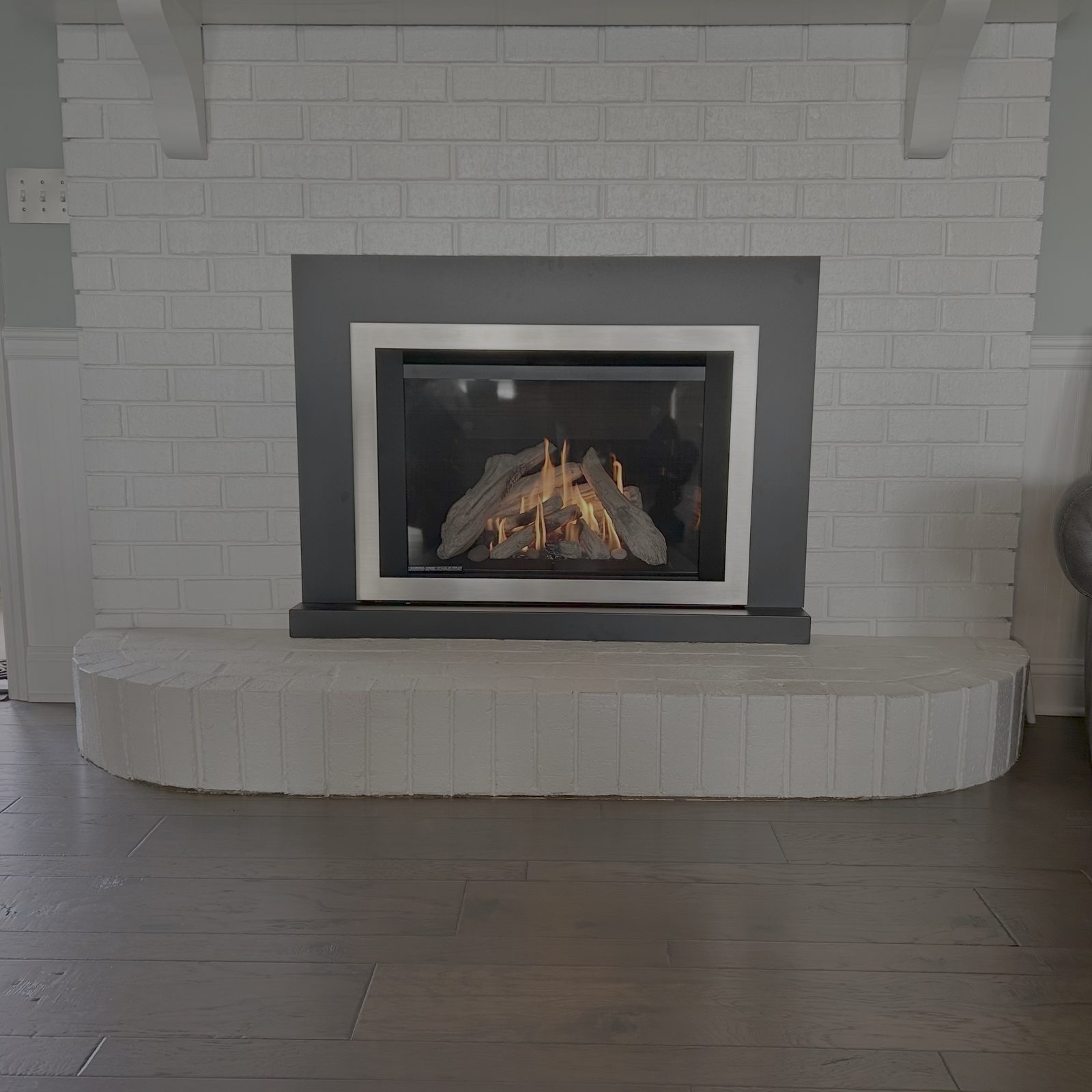
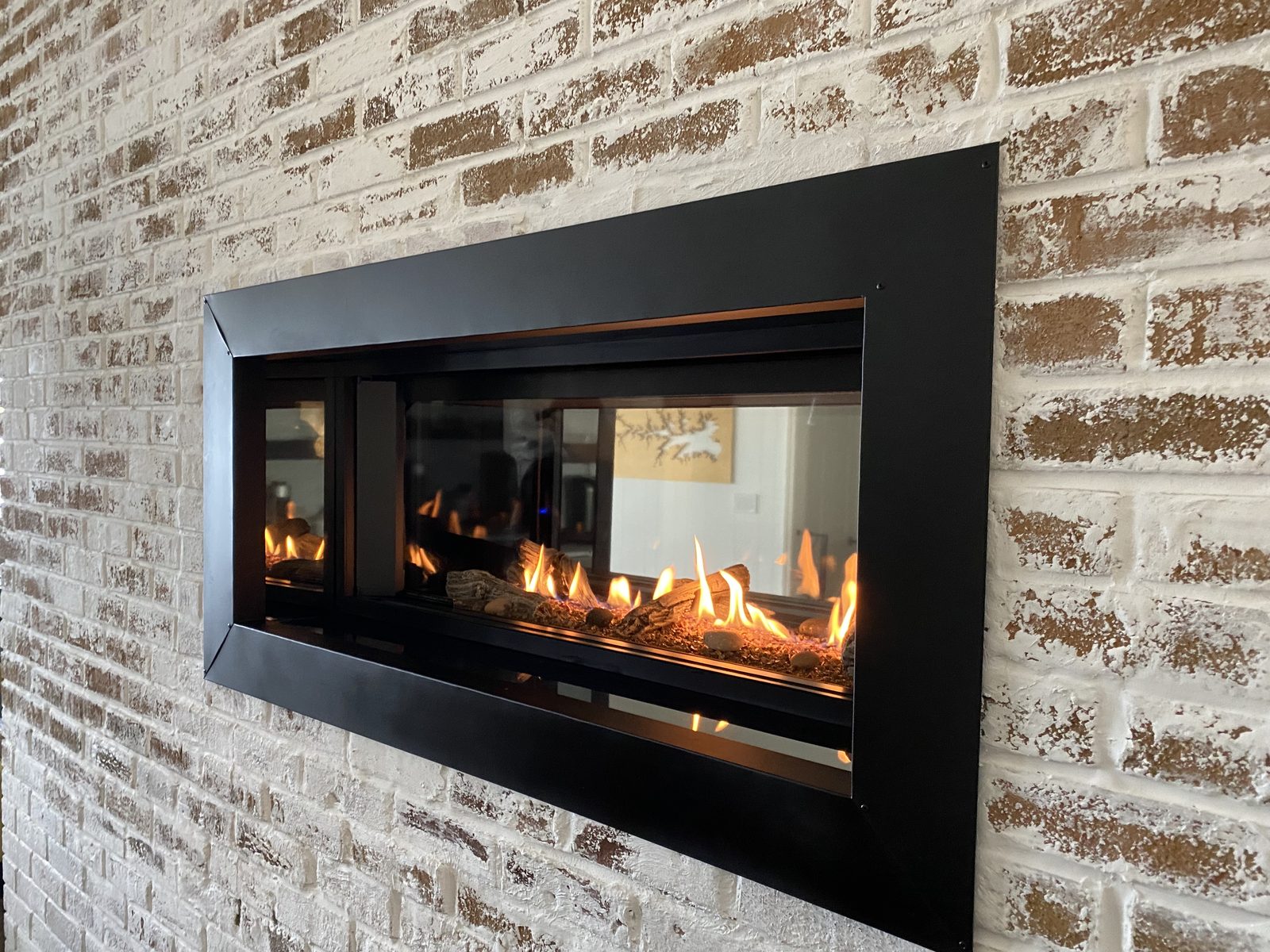
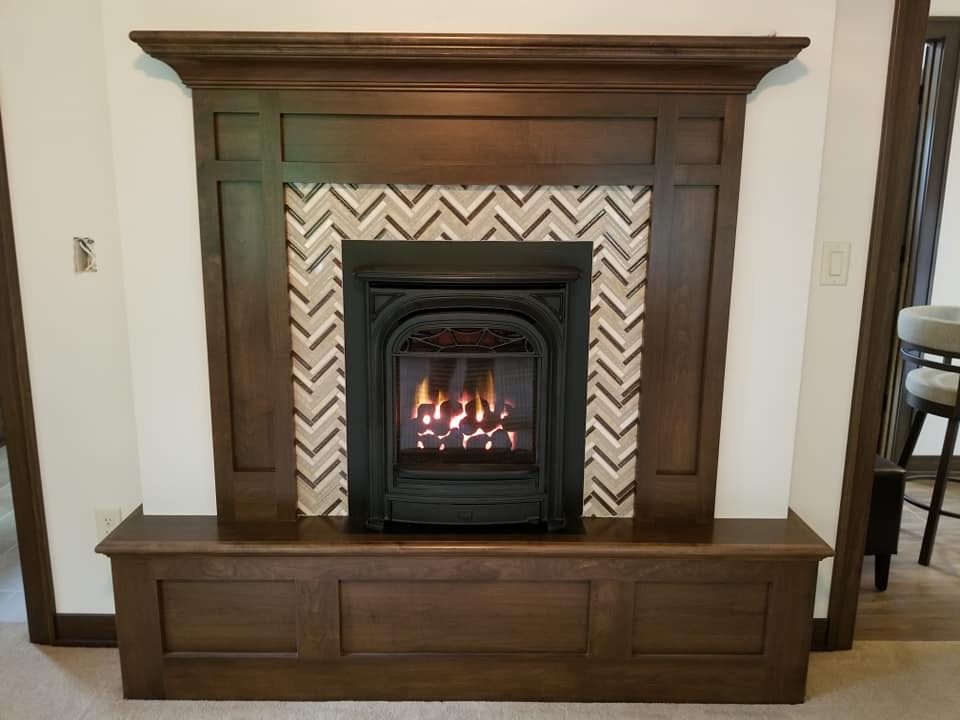
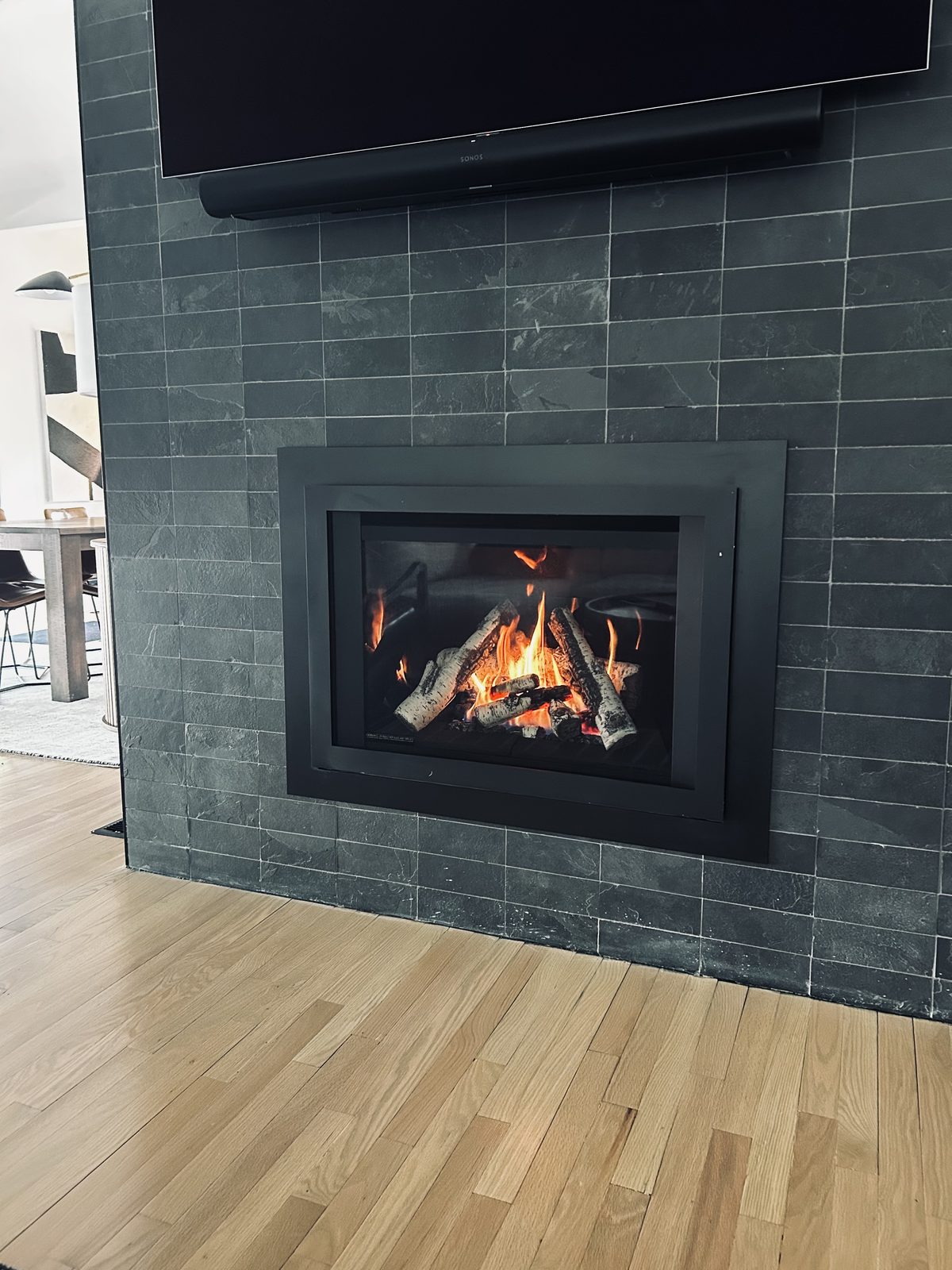
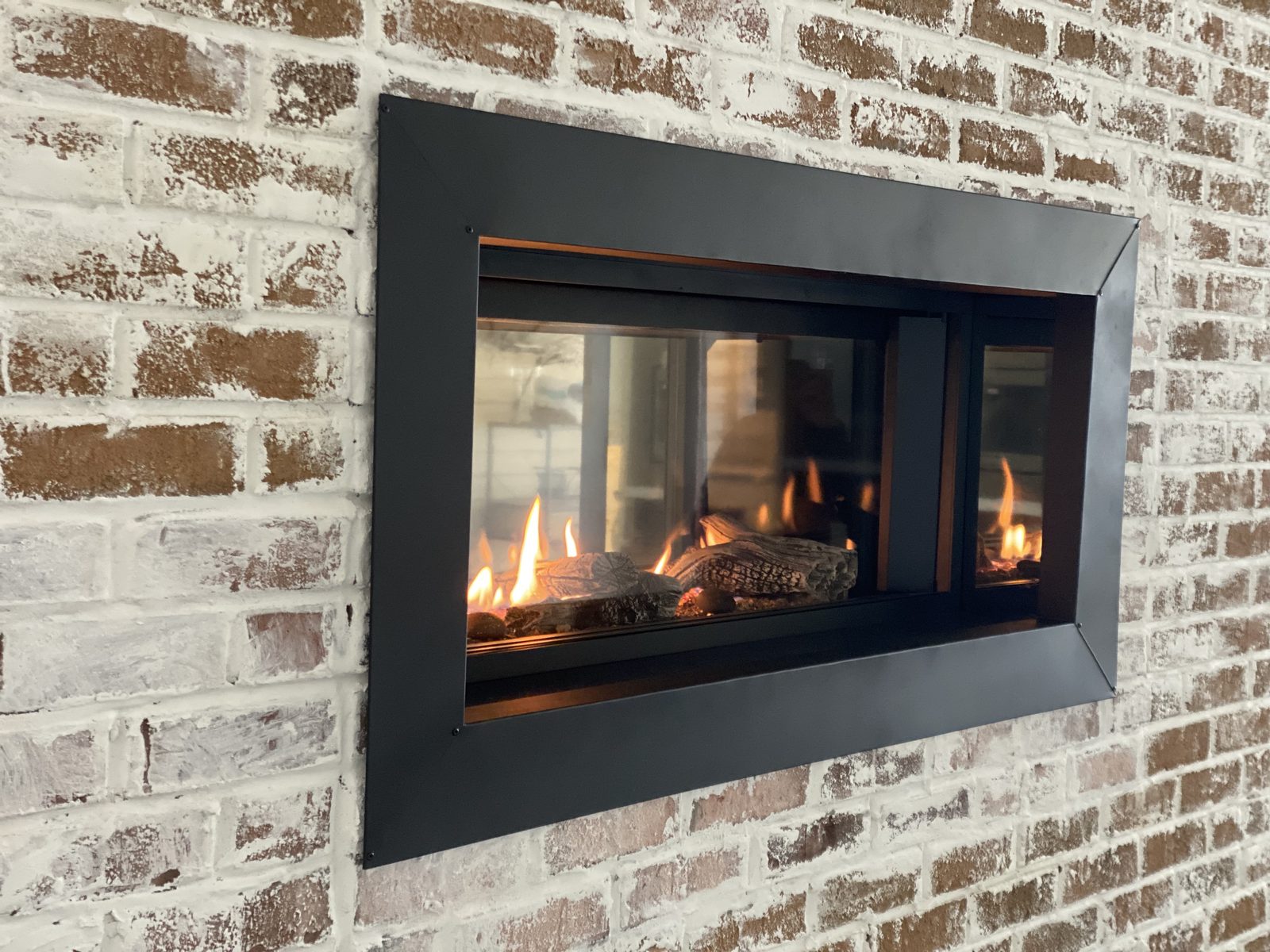
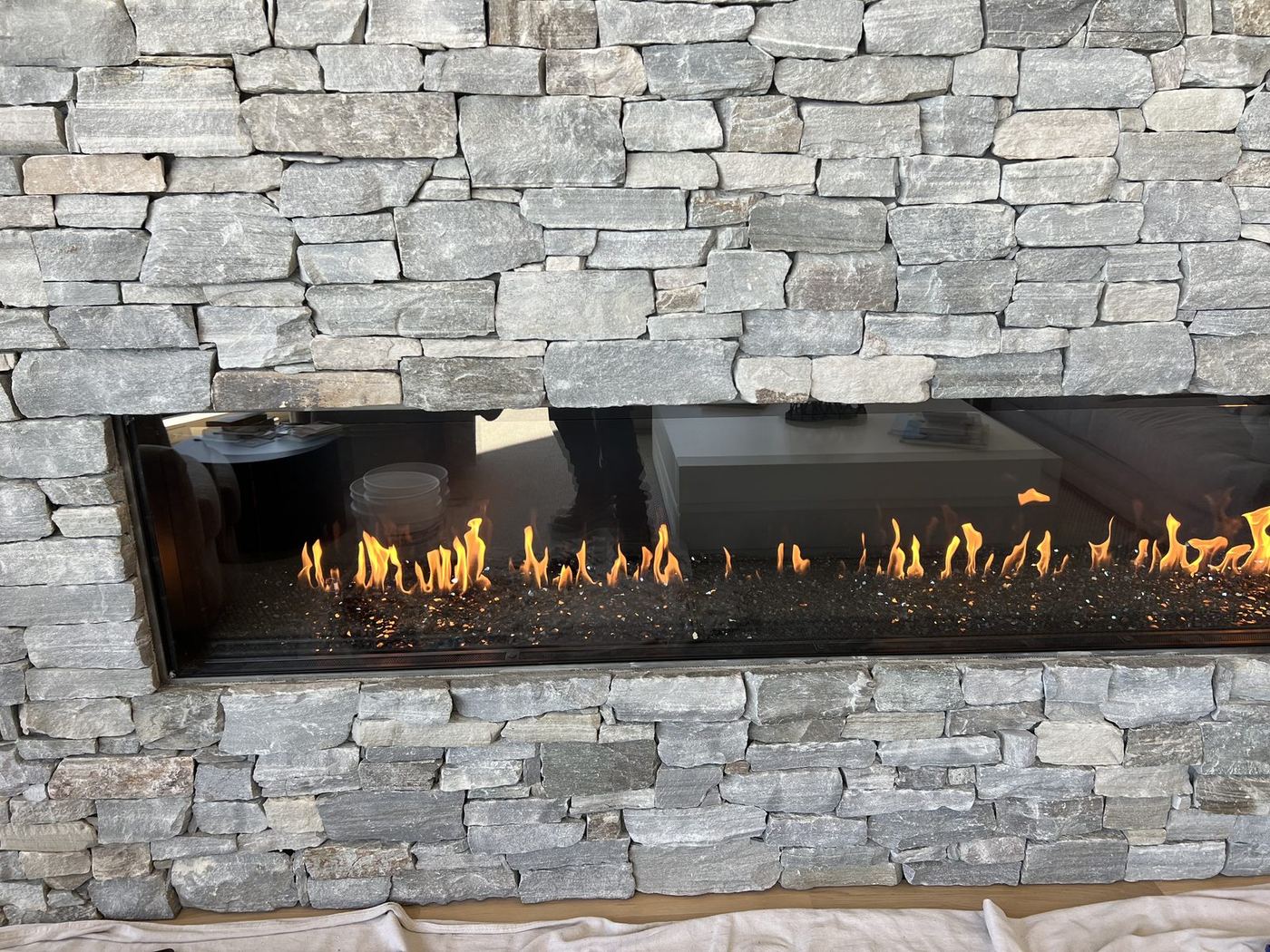
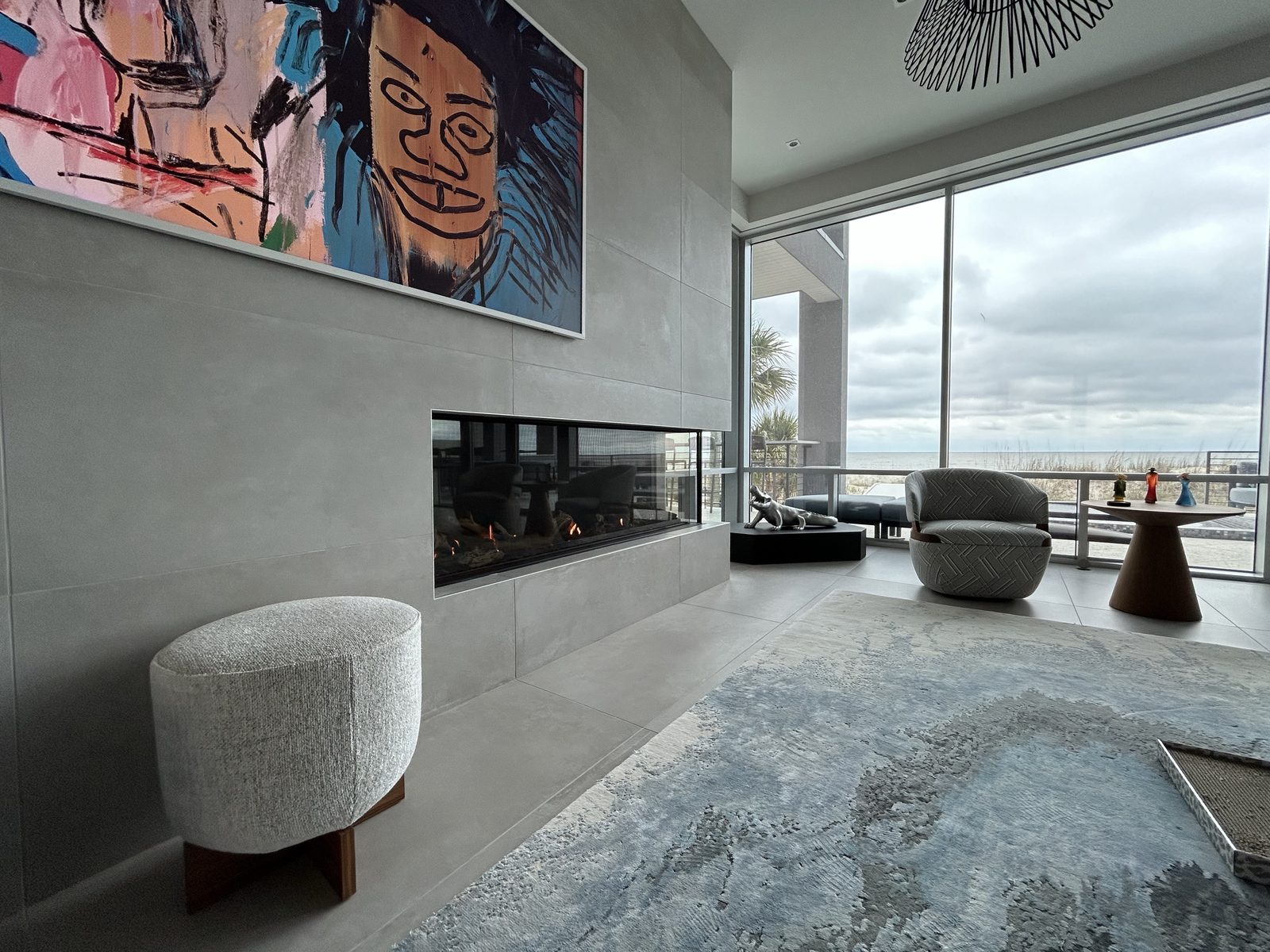
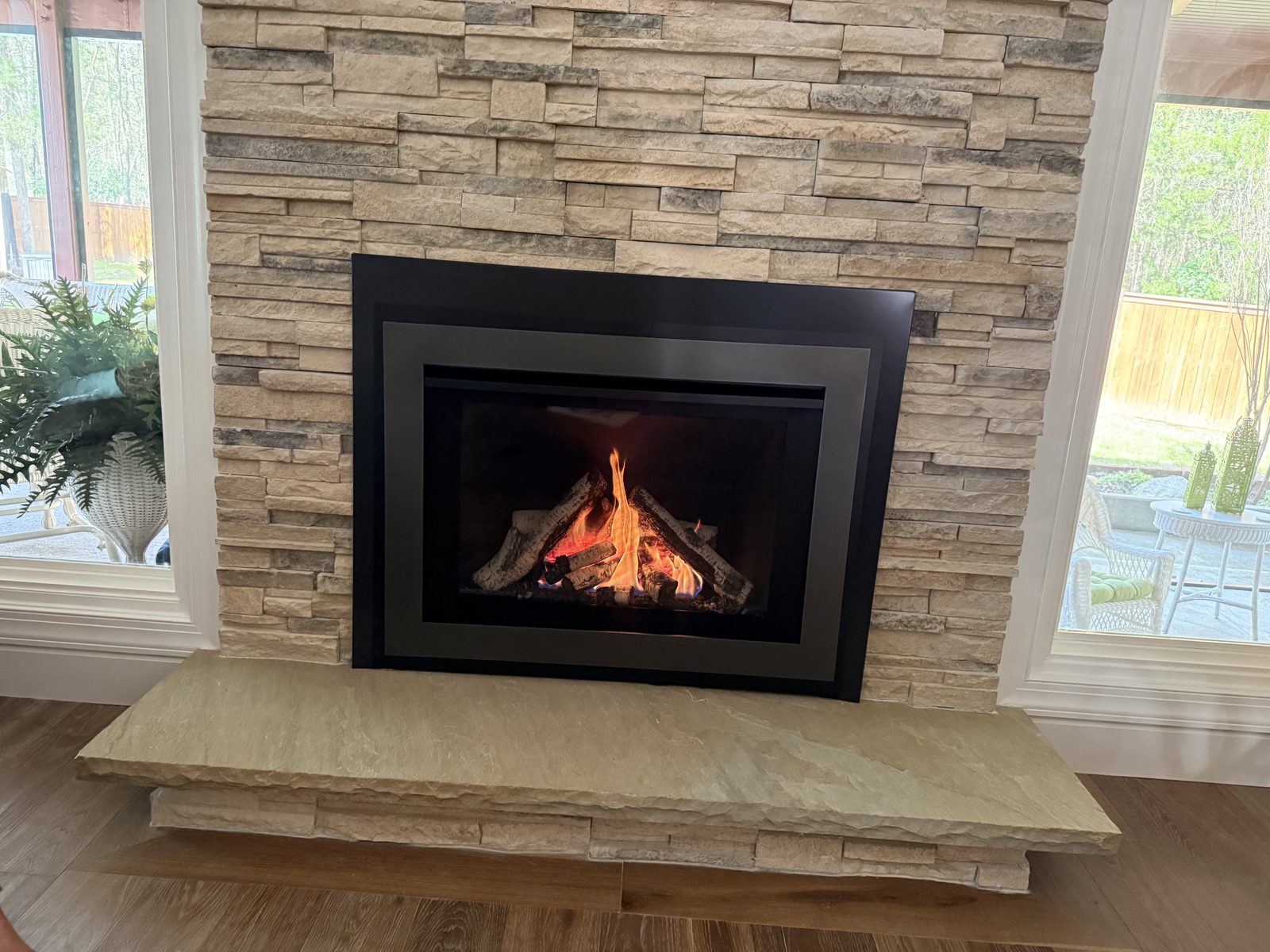
Gas fireplaces and inserts offer consistent heat, simple operation, and no wood storage or ash cleanup. Chimspector carries Valor gas fireplaces and inserts, known for radiant heat technology that warms a room without a fan or blower, in styles from traditional to contemporary, and SÓLAS linear and see-through gas fireplaces for contemporary rooms.
Gas systems still require a professional inspection once per year — the venting should be confirmed clear and functional before each burning season. Any fuel-type conversion from wood to gas requires a Level 2 inspection and may require [chimney relining](/services/repair) depending on appliance type, flue sizing, vent configuration, and manufacturer requirements before the new appliance can be safely used.
 Valor gas insert
 Open masonry fireplace
Gas logs
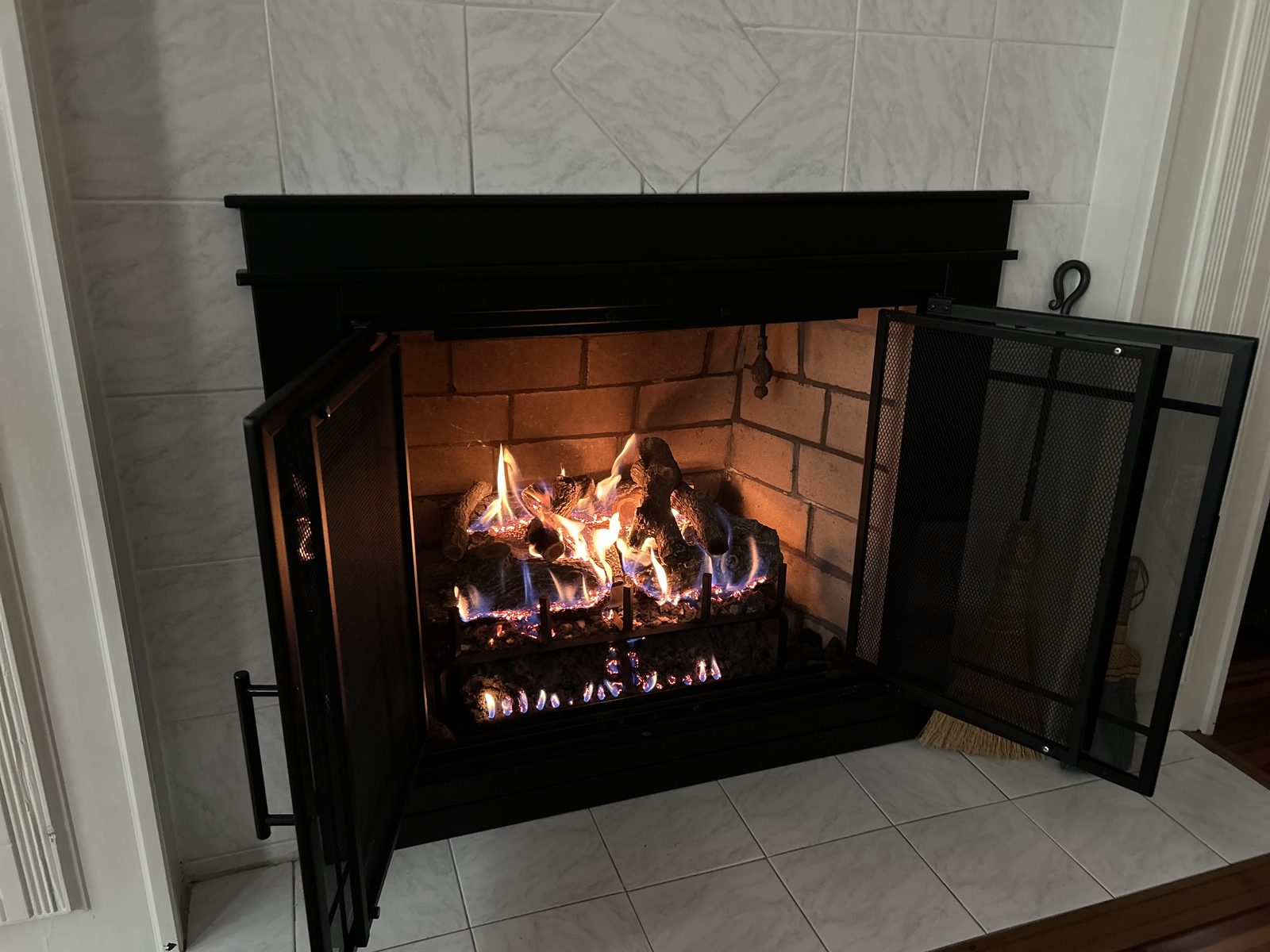
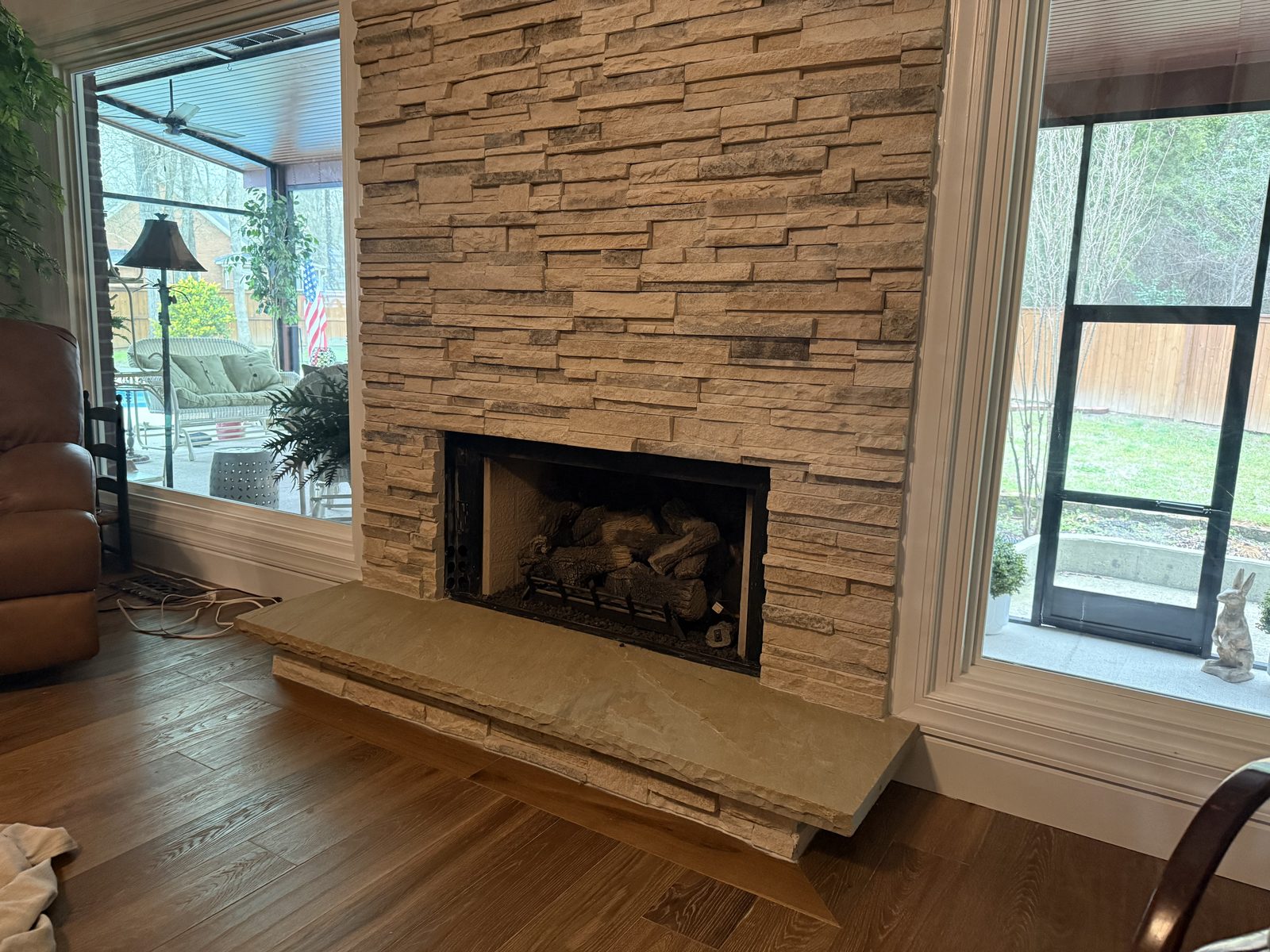
Gas logs are a common choice for converting an existing wood-burning fireplace to gas with minimal structural modification. Chimspector sells and installs vented gas logs — Real Fyre and Eiklor Flames — which need a working chimney, and holds the SC Liquefied Petroleum Gas Board License required for professional gas installations. Vent-free sets are not something Chimspector sells: they require correct sizing and placement to operate safely — properly sized for the room, installed according to manufacturer instructions, and permitted by local code authorities — and the team has found code violations from improperly installed unvented units, a situation only discovered through a proper professional inspection.
Wood stoves
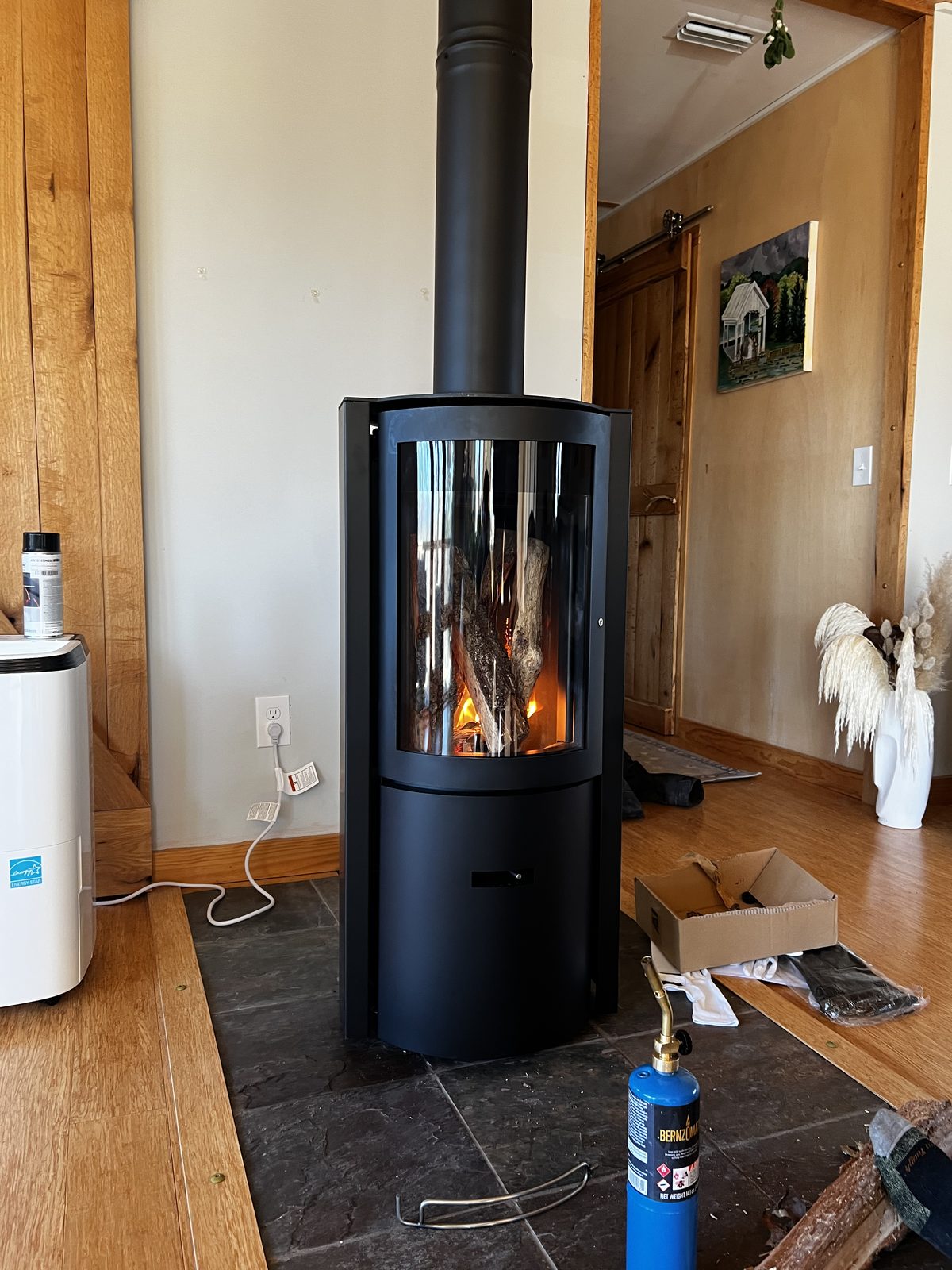
Wood stoves don't require an existing masonry fireplace and can often be installed using a listed chimney system routed through the wall or ceiling — which means a stove can be added to virtually any room. Factory-built fireplaces, chimneys, and venting are tested and listed as complete systems, and components must be installed according to their listing and manufacturer instructions, including all required clearances to combustibles.
Modern EPA-certified wood stoves burn significantly cleaner and more efficiently than older models: lower emissions, less creosote buildup, longer and more complete burns that need less wood and less frequent reloading, built-in airwash systems that keep the glass clear, and precise draft and heat controls. Chimspector carries Stûv and Blaze King wood stoves and provides full installation and ongoing maintenance.
Energy efficiency considerations
- EPA certification — the wood stoves and inserts Chimspector sells are EPA-certified for clean, efficient combustion.
- Catalytic vs. non-catalytic — catalytic stoves re-burn smoke and gases that would otherwise go up the chimney, extracting more heat and producing lower emissions; non-catalytic stoves are simpler to operate and still much cleaner than older models.
- BTU output and room sizing — heating capacity should be matched to the space; oversizing leads to overheating, undersizing reduces effectiveness.
- Installation quality — even the best appliance underperforms if installed incorrectly; certified installation ensures it works as designed from day one.
- Combustion and makeup air — modern tightly sealed homes may require additional combustion or makeup air for proper operation.
When you’re ready, Chimspector’s custom fireplace design & install team serves South Carolina and Western North Carolina.