Safety Center · Chimney Restoration
Chimney restoration: solutions for when repairs aren't enough
There's a meaningful distinction between a chimney that needs routine repair and one that needs restoration. Repairs address specific, isolated problems. Restoration is called for when a chimney has sustained extensive damage from age, weather, fire, or structural failure — or when the original construction was inadequate to begin with.
When restoration is the right answer
A repair fixes an isolated problem. Restoration addresses a system that is failing as a whole.
Understanding when restoration is necessary — rather than a standard repair — helps homeowners make informed decisions about the condition and long-term viability of their chimney system.
Aging and weather-damaged chimneys
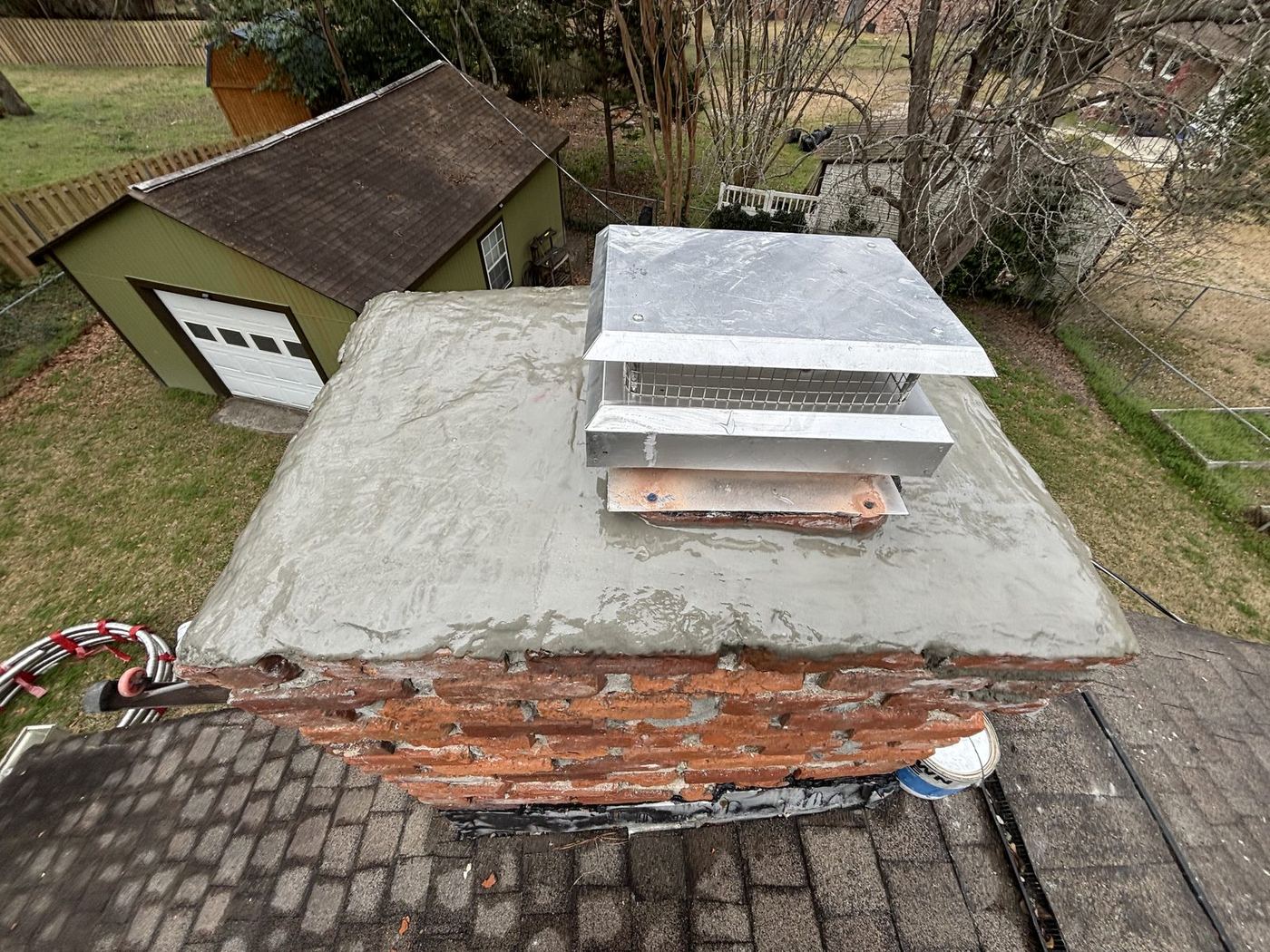
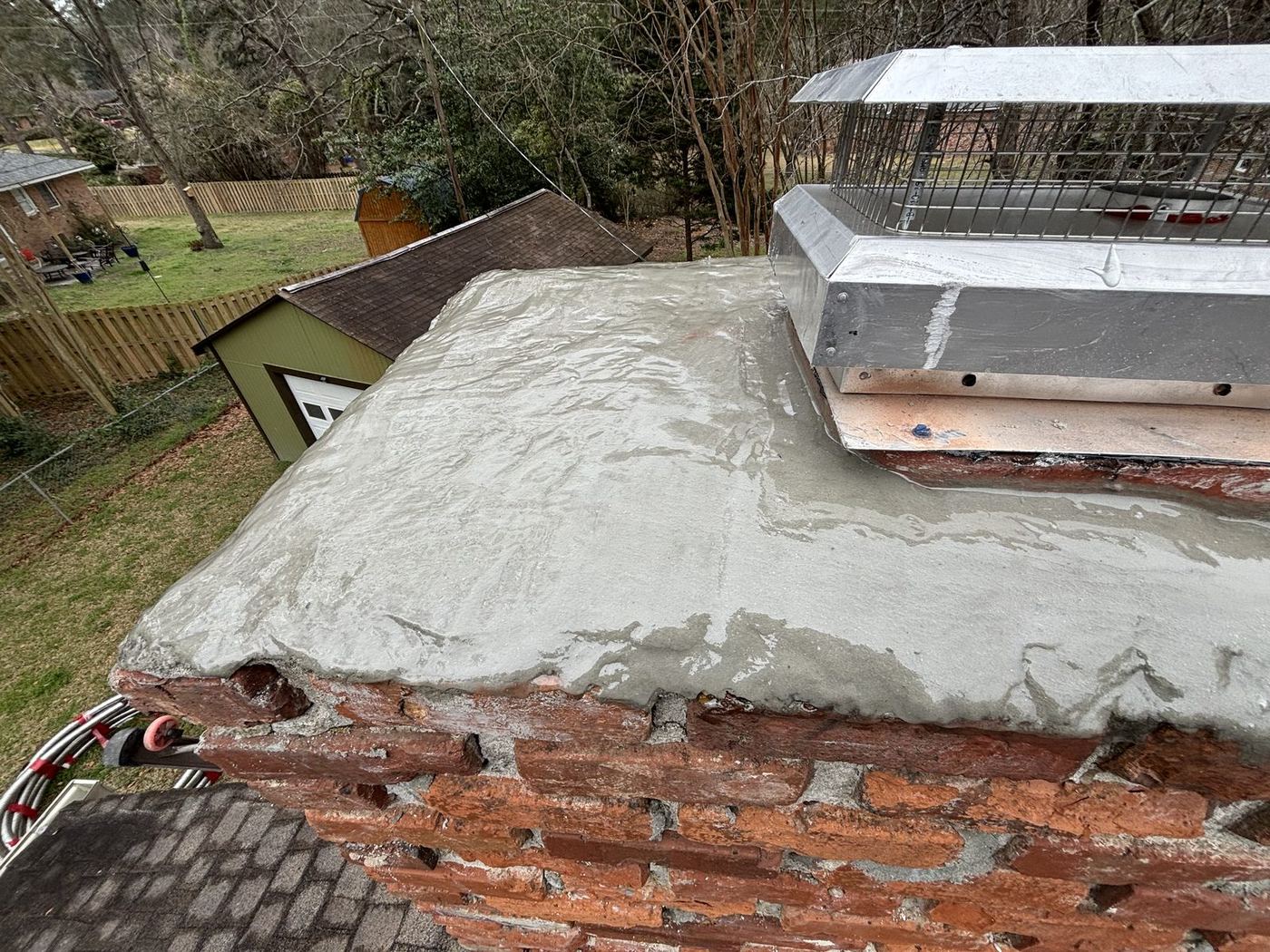
Bricks can last a century or longer when properly maintained, but water, weather, and house settling take their toll. When deterioration is extensive — affecting large areas of the masonry, the crown, or the liner — the appropriate response is restoration rather than piecemeal repair. Chimspector takes great care to respect the integrity and design of each chimney, choosing appropriate brickwork and techniques for each project.
Fire-damaged chimneys
After a chimney fire, the liner, mortar, and structural components can be compromised in ways not visible from the outside. Fire restoration may be required before the system can safely be used again. A Level 2 inspection is the necessary first step to assess the full extent of the damage and determine the scope of work.
Poorly designed or non-code-compliant systems
Some chimneys and fireplaces were never built correctly. Chimspector specializes in restoring systems that were poorly designed or don't meet current local building codes. In these situations, the Ahren-Fire Restoration System is often the most effective solution.
Historic chimney restoration
There are many beautiful historic homes in the greater Columbia area, and Chimspector strives to maintain the quality, craftsmanship, design, and character of original chimneys and fireplaces while restoring safety and function. Materials and techniques are chosen to align with the original architecture — the goal is a restored chimney that looks completely original, but in excellent condition.
One consideration for historic restorations involving older brick types, such as Old Chicago Brick from the 1800s through the 1970s, is that a perfect material match cannot always be guaranteed. If the chimney is in sufficiently poor condition, a full rebuild may be a more practical and structurally sound solution than restoration. This is assessed case by case and discussed with the homeowner before any work is proposed.
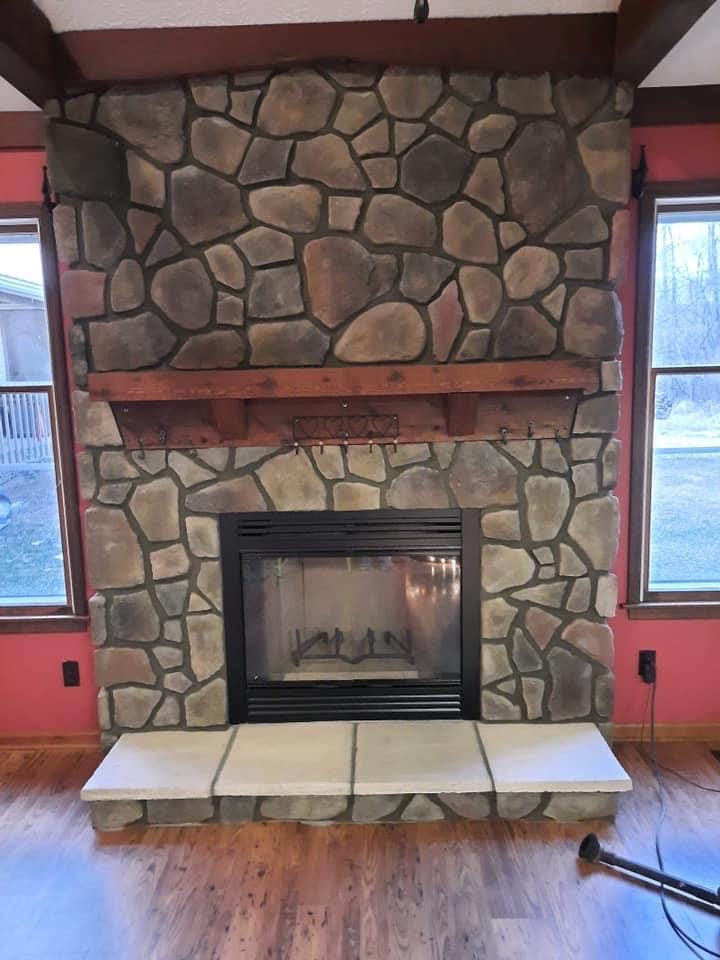
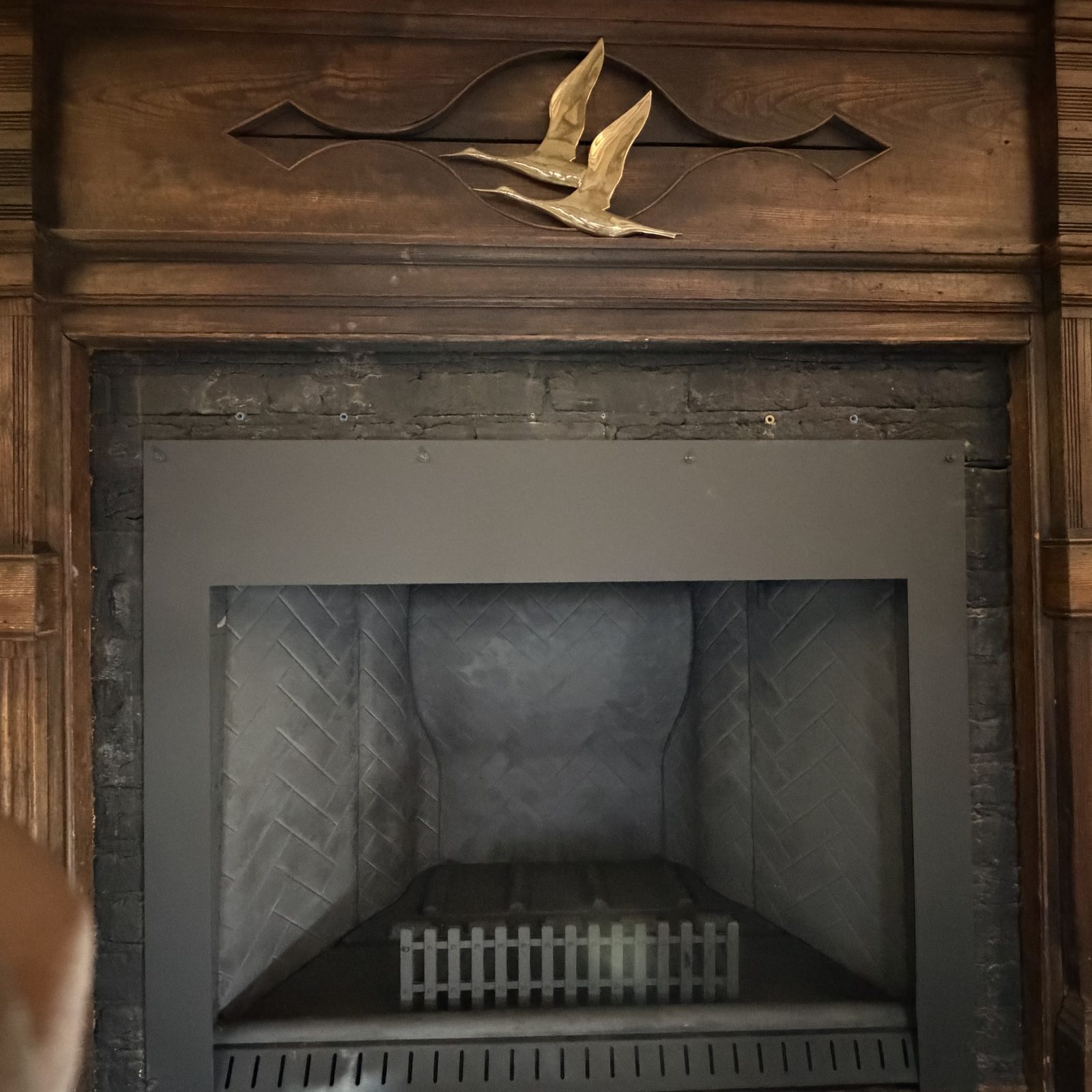
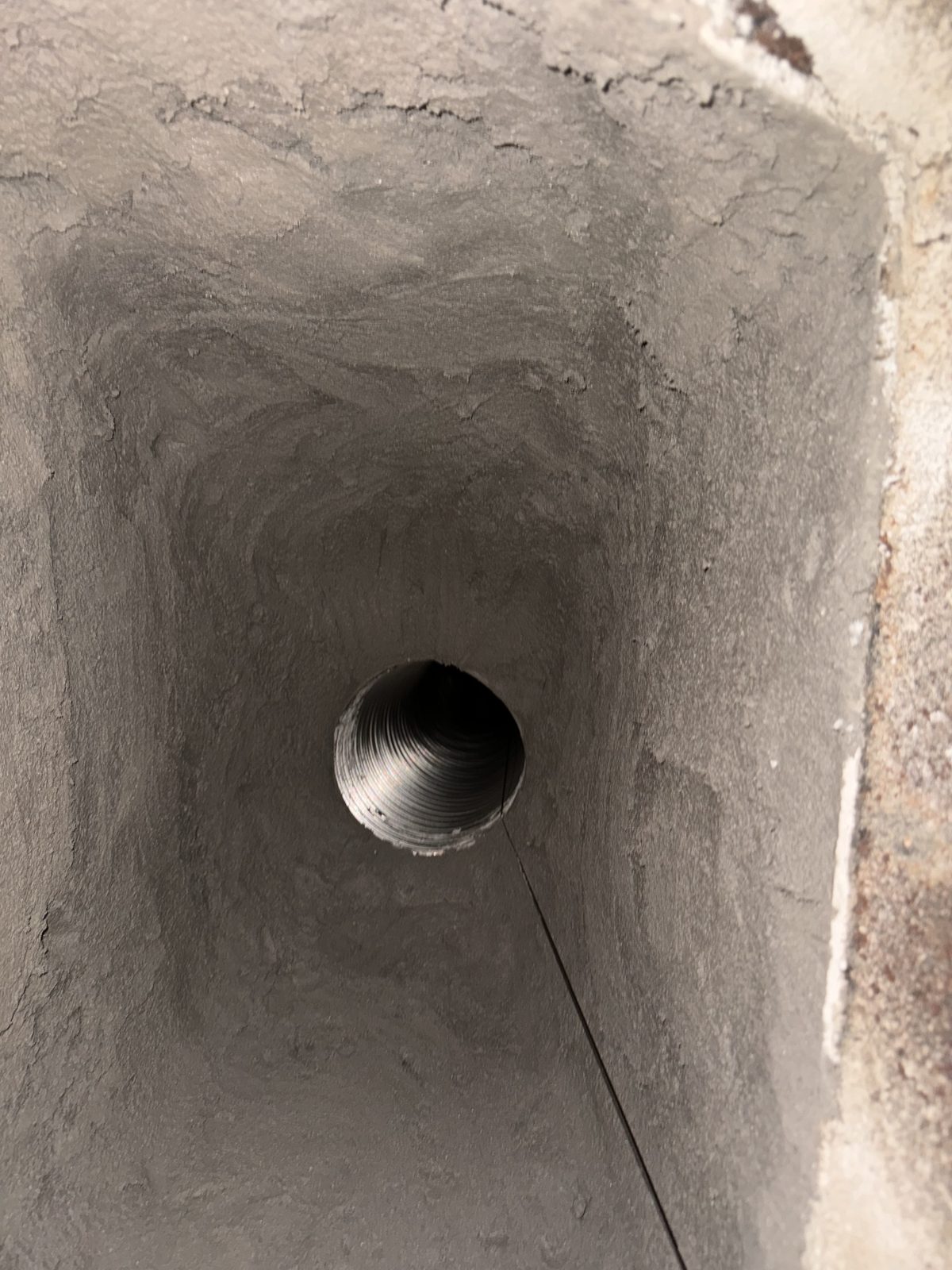
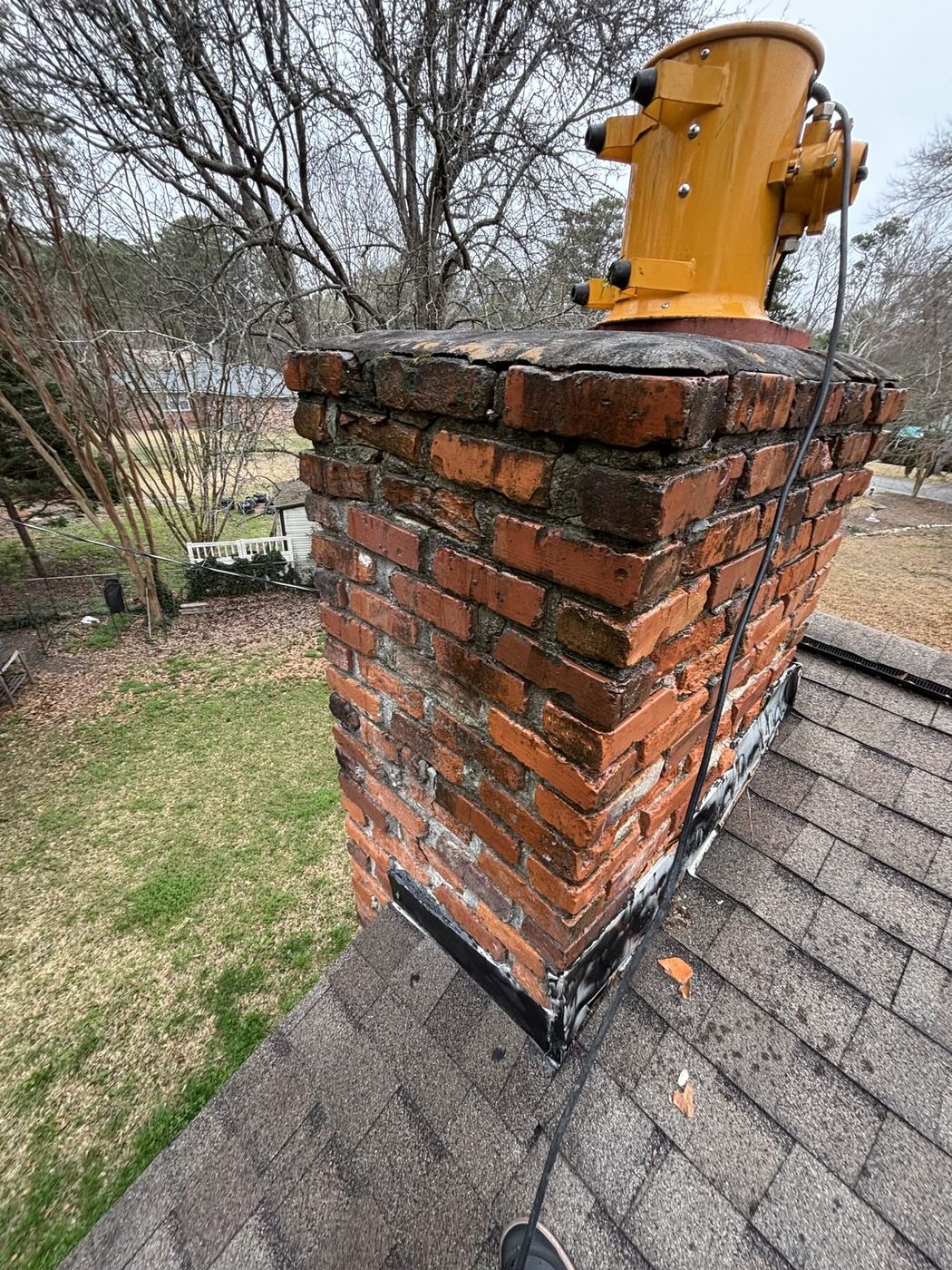
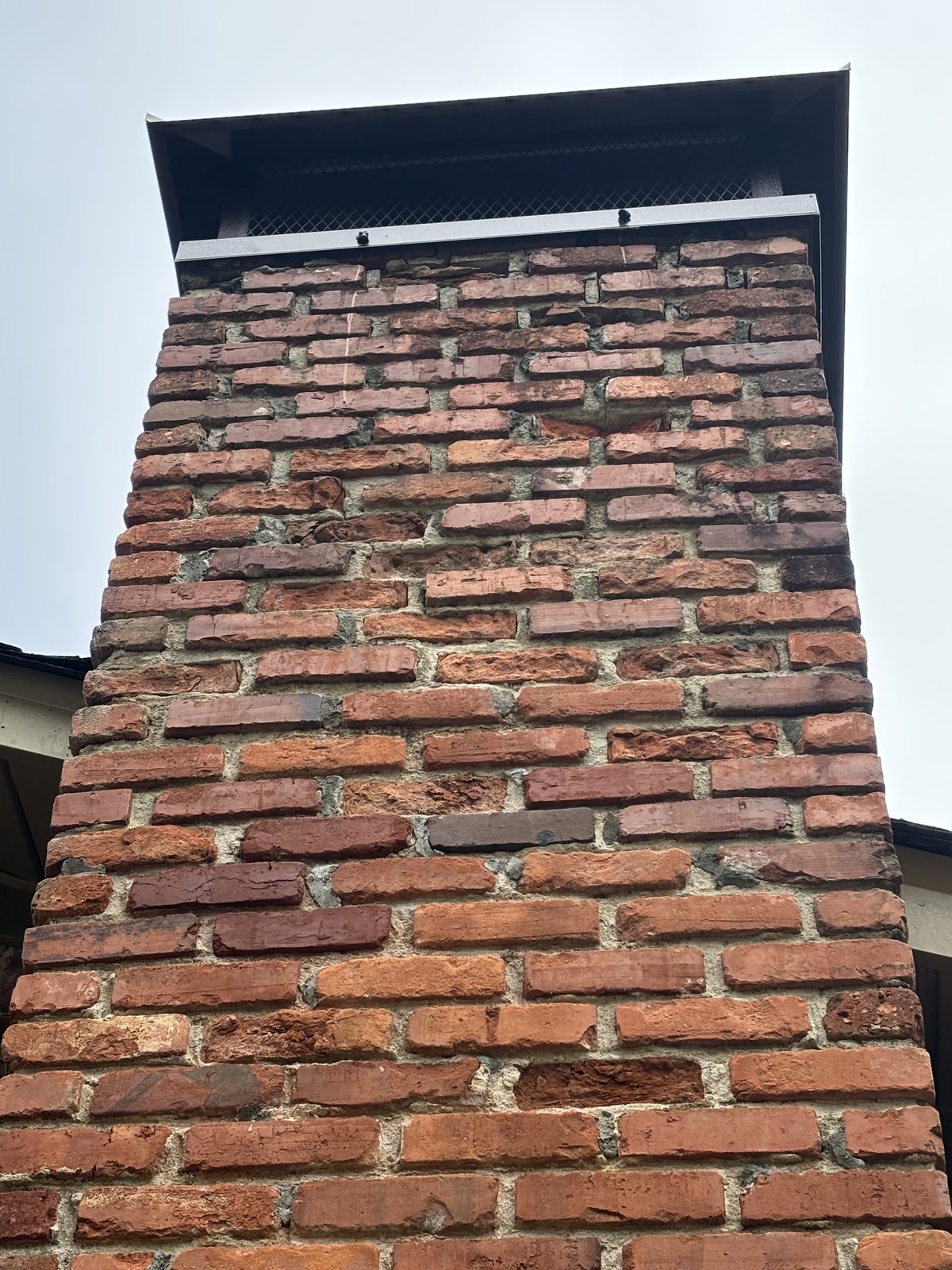
The Ahren-Fire restoration system
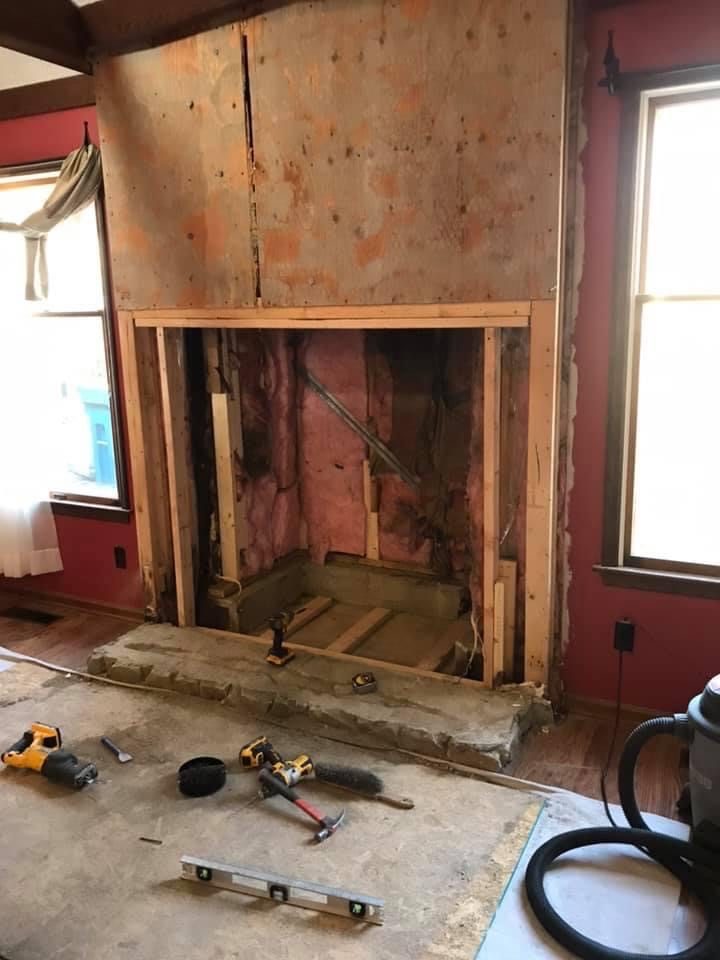
The Ahren-Fire system is one of Chimspector's most important tools for restoration involving performance or code-compliance issues. It's installed inside the existing chimney and fireplace, improving draft, combustion efficiency, and safety without altering the external appearance — particularly well suited to historic or architecturally significant fireplaces where the visual character needs to be preserved. Chimspector is trained and certified to install it.
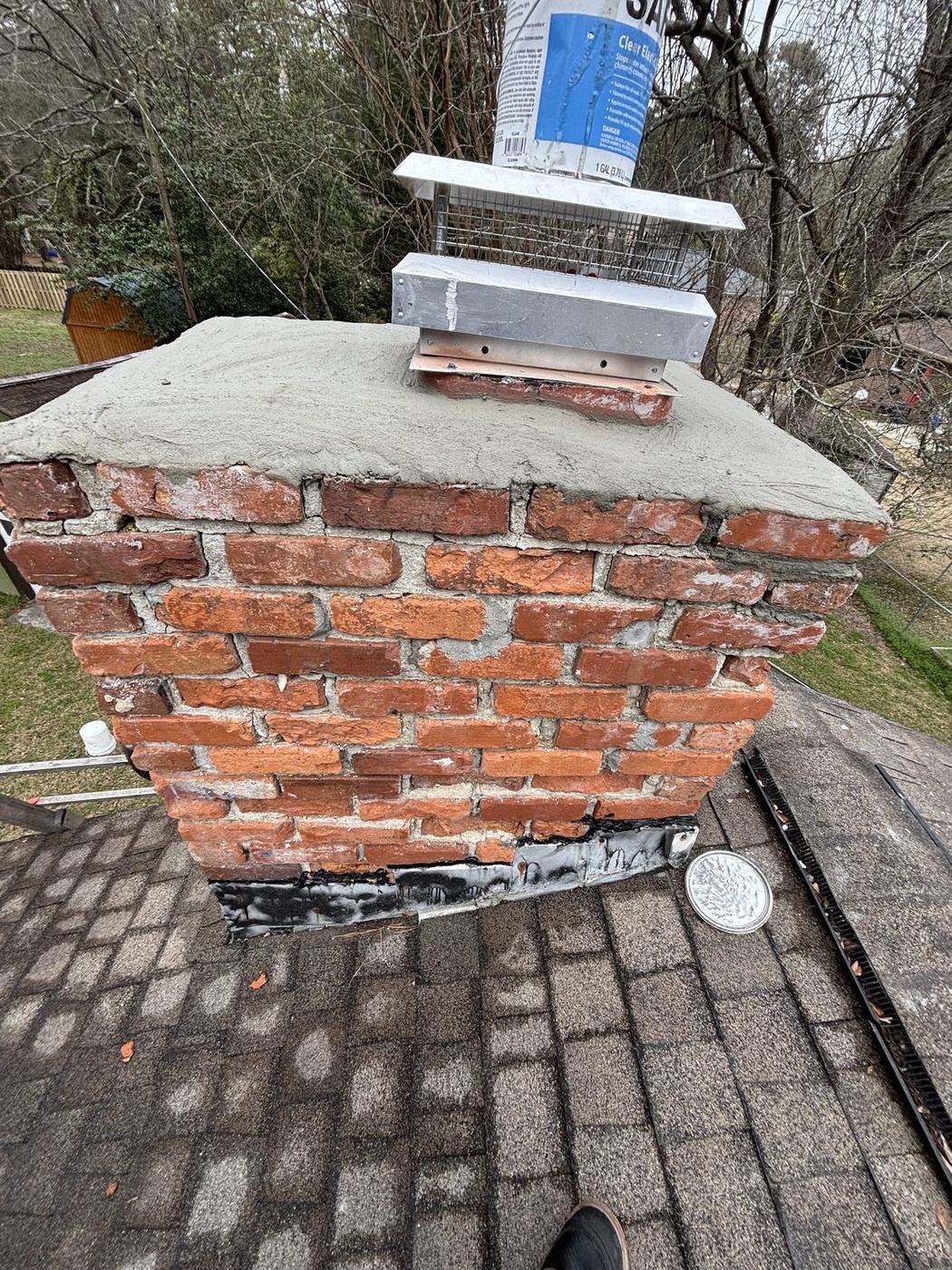 After
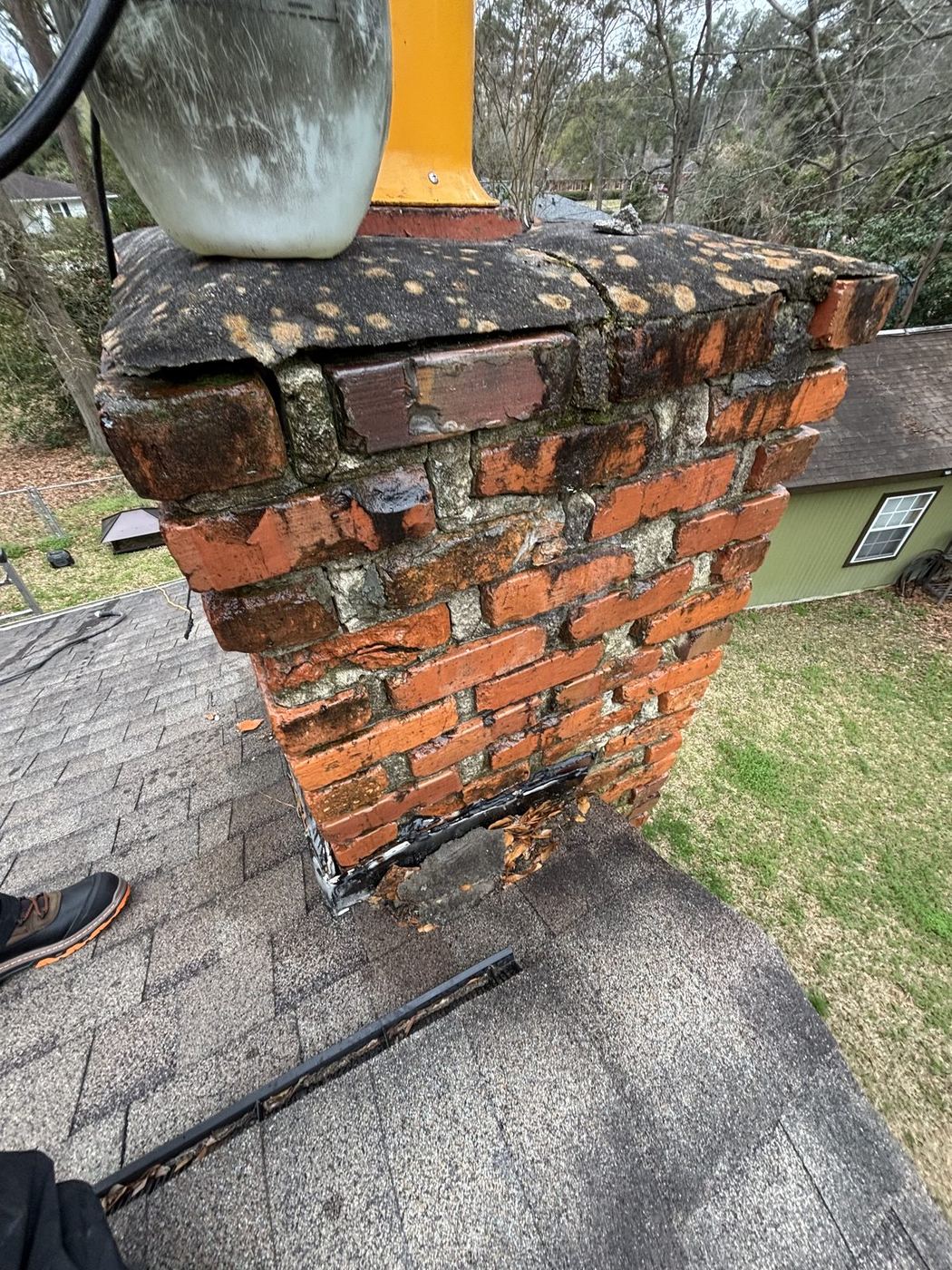 Before
What the restoration process looks like
Every restoration project begins with a thorough assessment and ends with a documented walkthrough:
- Inspection and damage assessment — a Level 2 inspection establishes the full condition of the system.
- Written scope of work and estimate — a detailed explanation of the work and costs before restoration begins. If concealed conditions are found, they're documented and discussed before proceeding.
- Material selection — materials selected to match the original construction as closely as possible; historic projects receive particular attention to brick type, mortar, and color.
- Structural work — relining, masonry repair, crown repair, or a full rebuild, depending on the scope of damage.
- Final inspection and walkthrough — the technician confirms the system is ready for use.
When you’re ready, Chimspector’s chimney restoration team serves South Carolina and Western North Carolina.