
Safety Center · Dryer Vent Safety
Dryer vent cleaning: a hidden fire hazard in most homes
Dryer vent cleaning is among the most underestimated maintenance tasks in residential home care. Unlike chimney maintenance, which most homeowners understand at least in concept, the dryer vent system is largely invisible and rarely considered until something goes wrong. Here are the risks of a neglected vent, the signs that cleaning is needed, and when to schedule professional maintenance.
Why dryer vents become a fire hazard
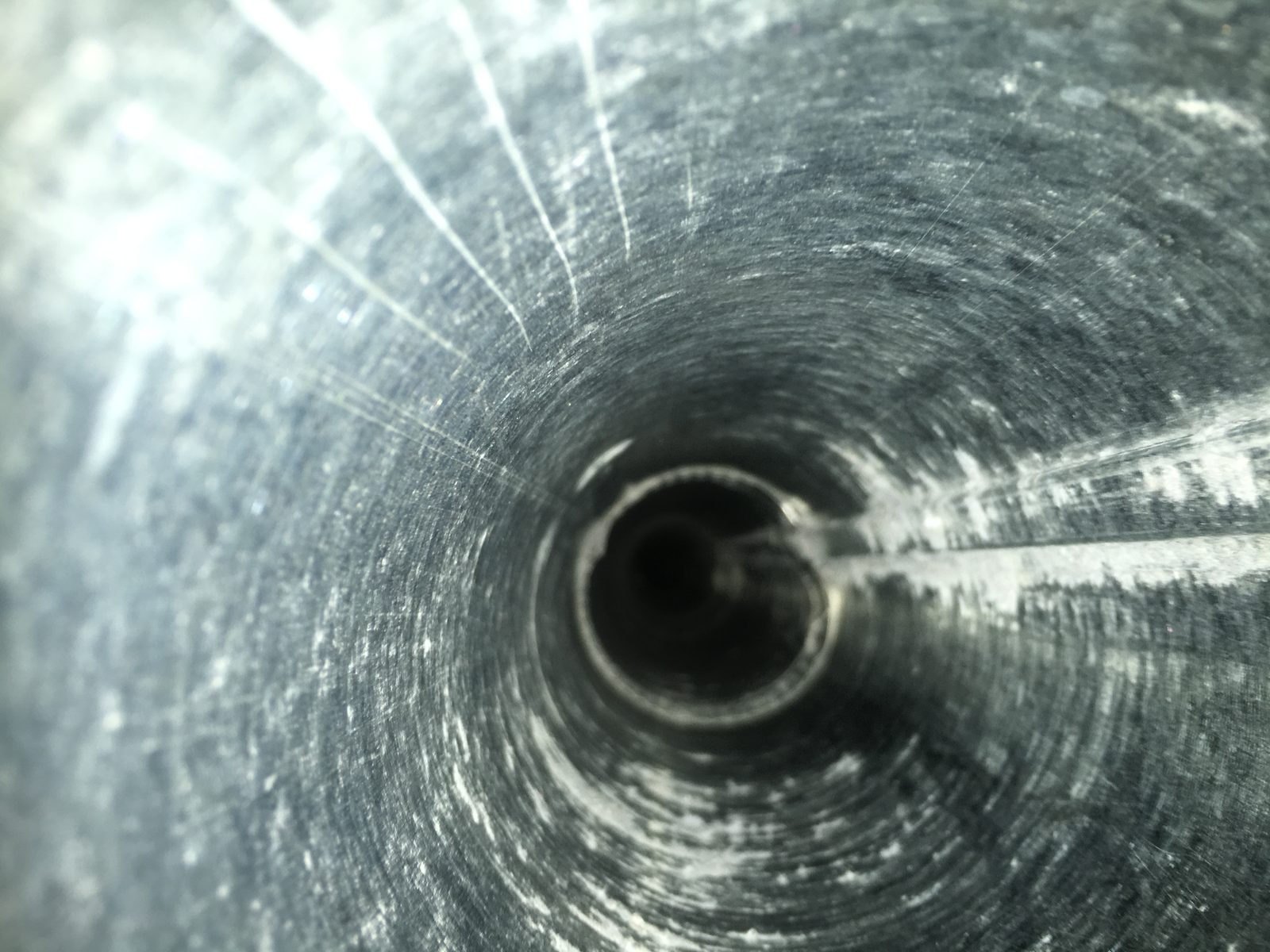
Lint is highly combustible and accumulates in the dryer vent with every load of laundry. Unlike the lint trap, which is cleaned regularly, the vent duct itself is out of sight and easy to overlook. Over time, lint accumulates along the duct walls, reducing airflow and creating the conditions for a dryer fire.
Modern construction has made this problem more significant. Many contemporary homes place dryers on interior walls — master closets, hallway laundry rooms, or upstairs utility spaces — rather than against an exterior wall. The vent duct must then travel much farther to reach the outside, which increases lint accumulation and reduces the draft needed to carry it out. These longer runs also have a greater chance of coming loose or gapping over time.
The U.S. Fire Administration reports that dryers cause thousands of residential fires annually, with failure to clean the dryer vent cited as the leading contributing factor.
The carbon monoxide risk
For homes with gas dryers, a blocked or disconnected vent carries a carbon monoxide exposure risk in addition to fire risk. Gas dryers produce carbon monoxide as a combustion byproduct, and a properly functioning vent carries that gas safely outside. When the vent is clogged, damaged, or disconnected, CO can accumulate in the laundry area or adjacent rooms — one reason professional dryer vent cleaning should be treated as a safety service, not simply a maintenance convenience.
Signs your dryer vent needs cleaning
- Clothes are taking longer than one full cycle to dry
- The dryer or laundry area feels unusually hot during operation
- A burning or musty smell is present while the dryer is running
- Lint is visible around the dryer door seal or at the exterior vent opening
- The exterior vent flap does not open fully during operation
- More than a year has passed since the last professional cleaning
How dryer vent cleaning differs from chimney sweeping
While Chimspector is primarily known as a full-service chimney and venting company, their technicians are also Certified Dryer Exhaust Technicians (CDET). The tools and methodology used for dryer vents are specifically designed for that system, and the same professional standards that govern the chimney sweeping work carry over. This matters because not all dryer vent cleaning services are performed by certified technicians — CDET certification confirms training in the safe, effective cleaning of dryer exhaust systems.
How often should you clean your dryer vent?
Annual cleaning is recommended for most households. Families with higher laundry volume — multiple loads per day or large households — may benefit from more frequent service. Homes with longer vent runs, increasingly common in modern construction, should treat annual cleaning as a minimum given the greater accumulation risk. Dryer vent cleaning can be scheduled alongside a chimney sweeping or inspection, a convenient way to consolidate annual maintenance visits.
What to expect during a dryer vent cleaning
- The technician locates and evaluates the full vent run from the dryer connection to the exterior cap, noting the length and any bends or joints collecting lint.
- Specialized tools dislodge and extract lint throughout the duct system.
- The exterior vent cap is inspected and cleaned; damaged, blocked, or missing caps are flagged for replacement.
- Any duct sections found loose, disconnected, or gapped are identified and addressed.
- The technician confirms proper airflow before completing the service.
Can you clean a dryer vent yourself?
The parts you can reach, yes: empty the lint screen every load, pull the dryer out once a year and vacuum the short connector hose and the port behind the machine, and clear the exterior cap of lint and nests. The duct in between is the problem. On the interior-wall layouts common in newer homes it runs 15 to 40 feet with several bends, and a consumer brush kit either stops at the first elbow or, worse, compacts the lint into a plug or pulls a joint apart inside the wall. A professional cleaning uses rotary rods and suction sized to the full run, checks every joint, and finishes with an airflow test — the part that tells you the vent is actually clear.
What affects dryer vent cleaning cost?
The office quotes it when you book. The variables are the length and routing of the duct (a sidewall vent is simpler than one that exits through the roof), how many bends and joints it has, how long since it was last cleaned, and whether a damaged cap or disconnected section needs attention. Booking it alongside a chimney inspection or sweep is the least expensive way to have it done, because the trip is already made.
When you’re ready, Chimspector’s dryer vent cleaning team serves South Carolina and Western North Carolina.